


If you are looking for natural anxiety remedies, start by separating supportive habits from claims about treating an anxiety disorder. Movement, sleep routines, and coping exercises may be useful. “Natural” herbs and supplements can still cause harm, and they are not automatically safer than prescribed treatment.
This guide explains the practical options and the questions to ask before trying a product. It does not recommend a supplement stack or provide individual dosing advice.
Key takeaways
- Self-care can support treatment; it should not delay an assessment for persistent or disruptive anxiety.
- Evidence varies by approach, product, and the condition being studied.
- Herbs can interact with medicines and have side effects.
- Do not stop or change prescribed medication without discussing it with your prescriber.
In this guide
- What natural support can and cannot do
- Herbs and supplements: evidence and risks
- Non-drug coping options
- Daily habits to review
- Make an informed plan
- Questions and professional support
What natural support can and cannot do
Occasional worry is different from an anxiety disorder that interferes with daily life. A clinician can help assess symptoms and discuss options. NIMH describes psychotherapy, medication, and healthy habits as parts of anxiety care; choosing a plan depends on your needs and medical circumstances.
Ask what a claim actually means. Was a study about stress in healthy volunteers, short-term anxiety before a procedure, or a diagnosed disorder? Was the tested product the same formulation as the one being sold? A positive result does not guarantee that every tea, capsule, or brand will have the same effect.
It is also important to separate comfort from treatment. Enjoying a scent, warm drink, or evening ritual can be worthwhile without claiming it corrects hormones, cures anxiety, or replaces professional care.
Herbs and supplements: evidence and risks
Ashwagandha
Some preparations have been studied for stress and sleep, but evidence for anxiety is unclear. NCCIH notes safety concerns including rare liver injury and interactions with medicines. Avoid use during pregnancy or breastfeeding; people with thyroid or autoimmune conditions need particular caution. Long-term safety is not established.
Chamomile
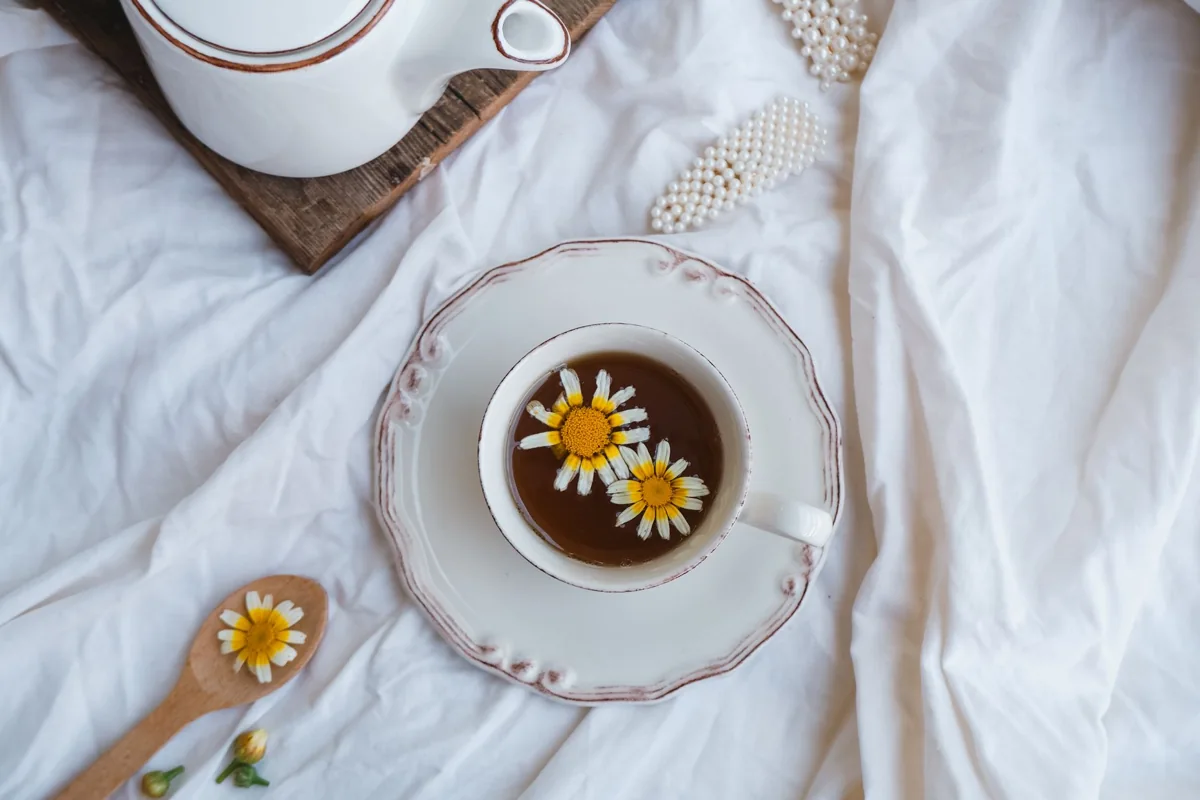
Research on chamomile for anxiety is preliminary. A cup of tea is not equivalent to a concentrated extract used in a study. NCCIH describes allergy and interaction risks, including reported interactions with warfarin and possible interactions with sedatives. Check with a clinician or pharmacist if you use medicines or have relevant allergies.
Lavender
Some research involves a specific oral lavender-oil preparation; that does not establish that smelling lavender or using any essential oil treats an anxiety disorder. NCCIH identifies important limitations in the evidence. Products may cause adverse effects or interact with sedatives. Do not swallow aromatherapy or topical essential oils.
Passionflower, lemon balm, L-theanine, and magnesium
These products are often promoted for calm, but marketing claims and proposed mechanisms do not establish reliable treatment benefits. Do not assume a blend is effective because individual ingredients have been studied. Magnesium is a nutrient, not a universal anxiety remedy; supplements are not a substitute for investigating a possible deficiency or another cause of symptoms.
Kava deserves particular caution
Kava has been linked to severe liver injury. NCCIH’s overview of complementary approaches for anxiety discusses why evidence and safety need to be considered together. Do not treat it as a harmless alternative to medication.
Before buying any supplement, show the complete ingredient list to a pharmacist or clinician. Include prescriptions, over-the-counter medicines, alcohol use, pregnancy or breastfeeding, liver problems, and planned surgery in the discussion. Independent quality testing can help assess contents; it does not prove a product treats anxiety.
Non-drug coping options
Choose an option that is comfortable rather than one that promises the fastest result. These exercises can help you cope with a moment; they are not diagnostic tools or guaranteed treatments.
- Gentle breathing: Let the breath slow without forcing it. Avoid breath holds if they are uncomfortable.
- Grounding: Notice objects in the room, sounds around you, or the support of a chair beneath you.
- Muscle relaxation: Release tension gently, avoiding painful or injured areas.
- A short movement break: Walk or stretch within your ability if your situation allows it.
- A brief thought note: Write the worry, what you know, and one practical next action.
If focusing on breathing or body sensations increases distress, try an external anchor such as sounds or the room around you. You do not need to persevere with an exercise that makes things worse. Formal therapy can teach skills suited to your particular symptoms.
Daily habits to review

Protect time for sleep
A consistent wake time and a feasible evening routine can make it easier to protect sleep. Notice whether late work, notifications, caffeine, or alcohol disrupt your night. Shift work and caring responsibilities may require a flexible plan. Persistent insomnia deserves assessment rather than an expanding collection of sleep supplements.
Notice caffeine and alcohol patterns
Sensitivity differs. Track whether caffeinated drinks make you feel more jittery or affect sleep, and consider gradual changes if needed. Alcohol is not an anxiety treatment. If you drink heavily or may be dependent, get medical advice before abruptly stopping because withdrawal can be dangerous.
Choose manageable movement and meals
Start with activity that fits your ability and circumstances, such as a short walk. Plan regular meals and drinks rather than searching for an “anti-anxiety” food. A balanced diet supports general health, but anxiety is not proof of a nutrient deficiency. Restrictive diets and expensive supplements are not prerequisites for getting help.
Keep connection in the plan

Ask someone you trust for specific support: a check-in, company for a walk, or help arranging an appointment. If anxiety makes social contact difficult, choose a smaller, manageable step. You do not need to appear calm before explaining that you are struggling.
Make an informed plan
- Choose one coping tool to practise when relatively settled.
- Choose one routine change that is realistic this week.
- Record what helped and any unwanted effects without constantly checking symptoms.
- If considering a product, review evidence, ingredients, interactions, and cost before buying.
- Arrange professional support if anxiety is persistent, worsening, or interfering with daily life.
Do not wait for a fixed number of weeks to ask for help. Review a self-care plan according to comfort and usefulness, not promised timelines. Trying more products at once makes it harder to understand what is helping or causing a problem.
Questions and professional support
Can natural remedies work as well as medication?
There is no reliable blanket comparison covering all “natural” approaches. Evidence depends on the intervention and condition, and self-directed exercises are not the same as structured clinical programmes. Discuss the options with a qualified professional rather than substituting products for prescribed care.
Can I use these habits alongside therapy?
Often, yes. Share what you are doing with your therapist or prescriber, especially supplements. A plan can include both practical daily support and evidence-based treatment; they are not competing choices.
When should I get help?
Seek an assessment if worry persists, disrupts sleep, affects work or relationships, or leads to avoidance. New chest pain, fainting, or severe breathing difficulty needs urgent medical evaluation, not an assumption of panic. If you cannot stay safe, contact local emergency or crisis services; in the United States, call or text 988.
Start with support, not a shopping list
The most useful first step may be a conversation, a manageable routine, or an appointment—not another supplement. Keep your plan simple, review claims critically, and choose care that fits your needs.