• Skip to main content
  • Skip to secondary menu
  • Skip to primary sidebar
Daily Fact

Daily Fact

Curiosity Never Sleeps—Neither Do We.

  • Home
  • About Us
  • Contact Us

Fitbit vs Apple Watch vs Garmin: Complete Fitness Tracker Comparison Guide 2024

October 7, 2025 by SaShA

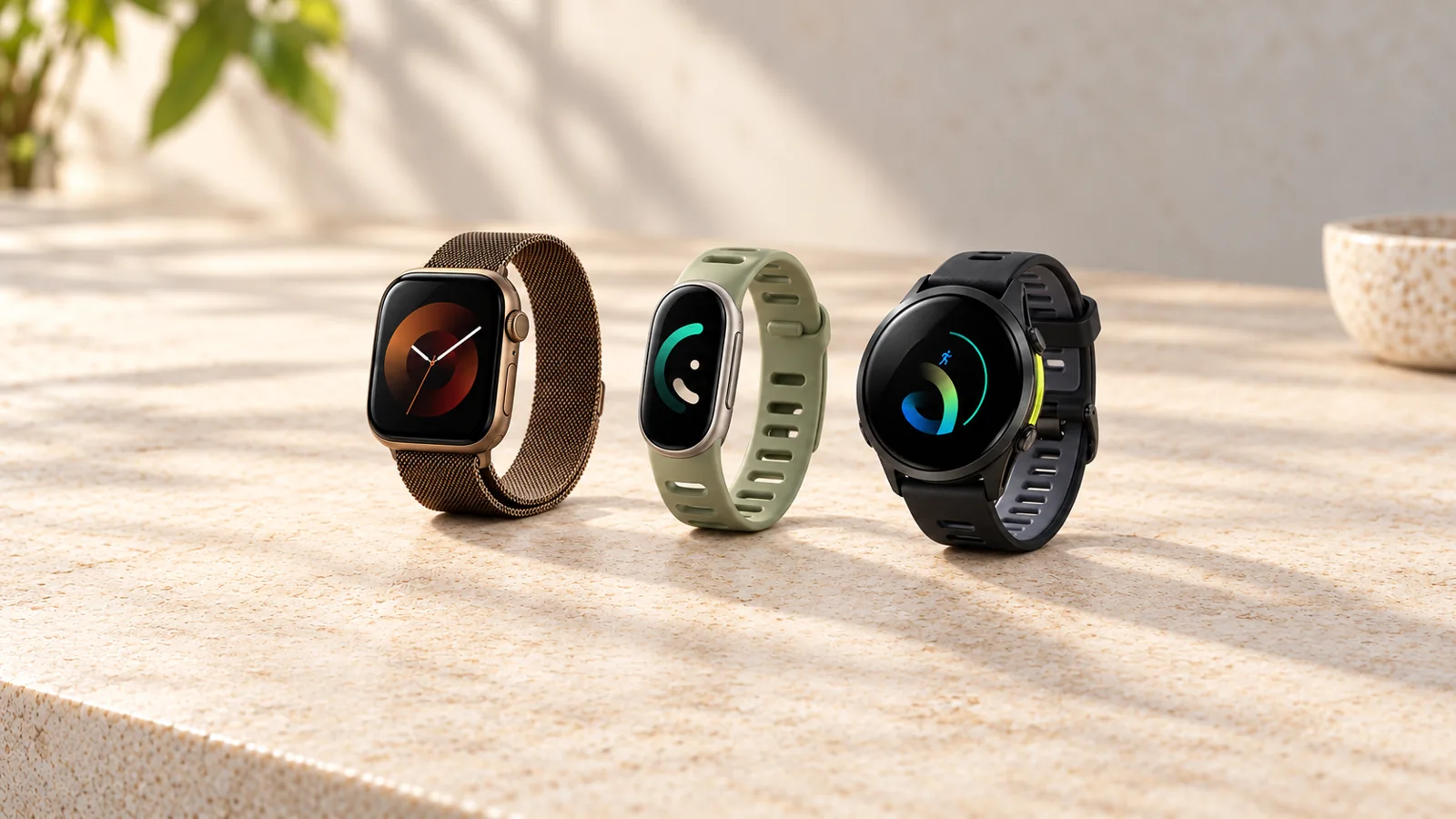
Cover Image
“`html

Fitbit and Fitness Tracker Brand Comparison: The Complete Guide

Estimated reading time: 12 minutes

Key Takeaways

  • Fitbit offers the best balance of features, battery life, and affordability across fitness bands and smartwatches ($99.95-$299.95).
  • Apple Watch fitness capabilities excel for iPhone users wanting comprehensive smartwatch functionality with solid health tracking, despite poor battery life requiring daily charging.
  • Garmin fitness tracker options dominate for serious athletes with advanced training metrics, exceptional battery life (7-37+ days), and multi-sport support.
  • The smartwatch vs fitness band decision often matters more than brand choice—bands offer 7-14 day battery and lower cost, smartwatches provide apps and notifications but require frequent charging.
  • No single “best” device exists—the right choice depends on your priorities: budget, platform (iOS/Android), battery life tolerance, fitness goals, and desired smart features.
  • All three brands deliver accurate core fitness tracking; differences emerge in advanced metrics, ecosystem integration, battery performance, and price.

Table of Contents

  • Introduction
  • Understanding Fitness Tracking Device Categories
  • Fitbit: Comprehensive Brand Analysis
  • Apple Watch Fitness: The Premium Ecosystem Choice
  • Garmin Fitness Tracker: The Athlete’s Choice
  • Comprehensive Fitness Device Reviews: Head-to-Head Comparison
  • Smartwatch vs Fitness Band: Detailed Decision Framework
  • Frequently Asked Questions
  • Conclusion

Introduction

The wearable fitness market has experienced explosive growth since Fitbit pioneered the fitness tracking revolution with its first device in 2009. What began as simple pedometers has evolved into sophisticated health monitoring systems capable of tracking everything from sleep stages to blood oxygen levels. Today, the global wearables market exceeds $60 billion annually, with millions of consumers strapping devices to their wrists in pursuit of better health.

Yet this abundance creates a significant challenge: with numerous brands now available—including Fitbit, Apple, Garmin, Samsung, and Whoop—consumers face difficulty choosing the right fitness device for their specific needs. Should you invest in a premium smartwatch with comprehensive features or a focused fitness band? Does the smartwatch vs fitness band distinction even matter if core tracking accuracy is similar?

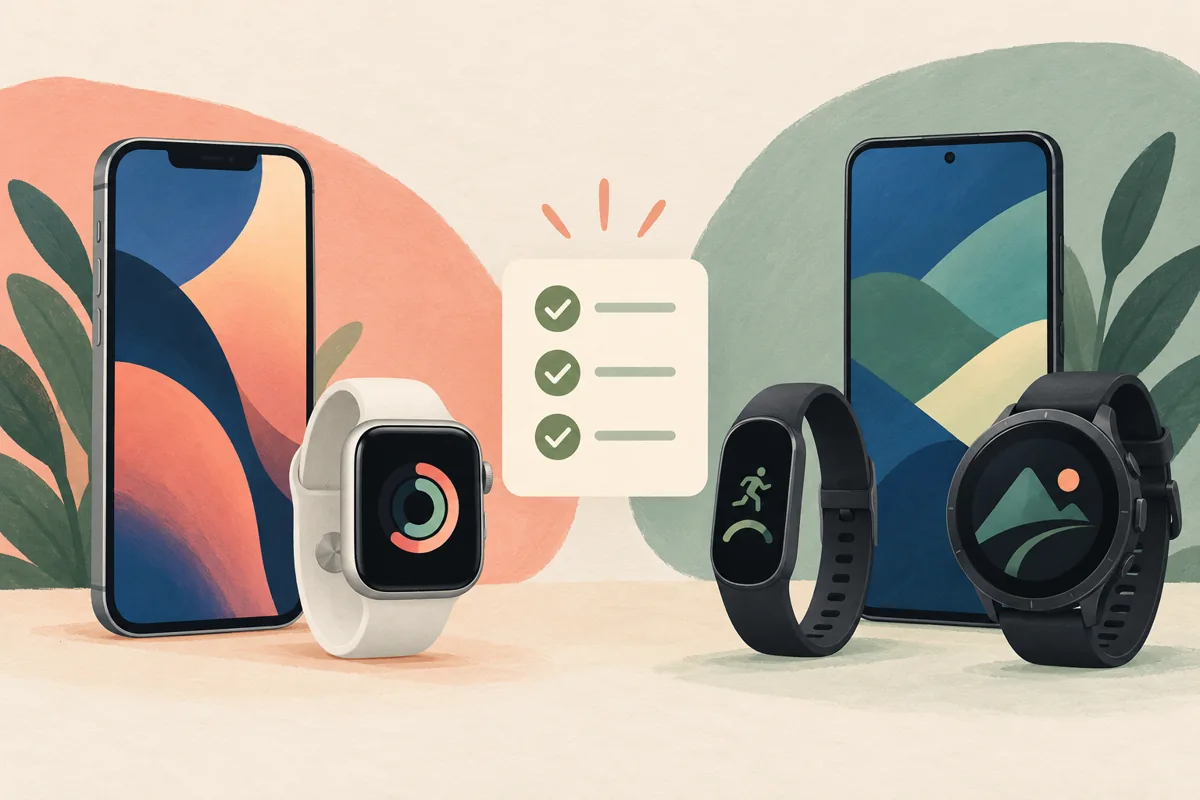
This comprehensive guide provides detailed fitness device reviews comparing Fitbit against major competitors, helping you make an informed decision based on your priorities, budget, and fitness goals. We’ll explore the fundamental smartwatch vs fitness band distinction, dive deep into Fitbit’s current lineup, compare against Apple Watch fitness capabilities and Garmin fitness tracker options, and provide a clear framework for selection.

Fitbit has become synonymous with fitness tracking, offering devices that balance features, usability, and price across a spectrum from budget-conscious beginners to health-focused enthusiasts. But is a Fitbit right for you, or would an Apple Watch or Garmin better serve your needs?

This comparison draws from expert fitness device reviews, extensive user experiences, technical specifications, and hands-on testing to cut through marketing hype and deliver actionable insights. Whether you’re a casual walker wanting to count steps, a marathon runner optimizing training load, or a health-conscious professional monitoring stress levels, this guide will help you identify your perfect fitness companion.


Understanding Fitness Tracking Device Categories

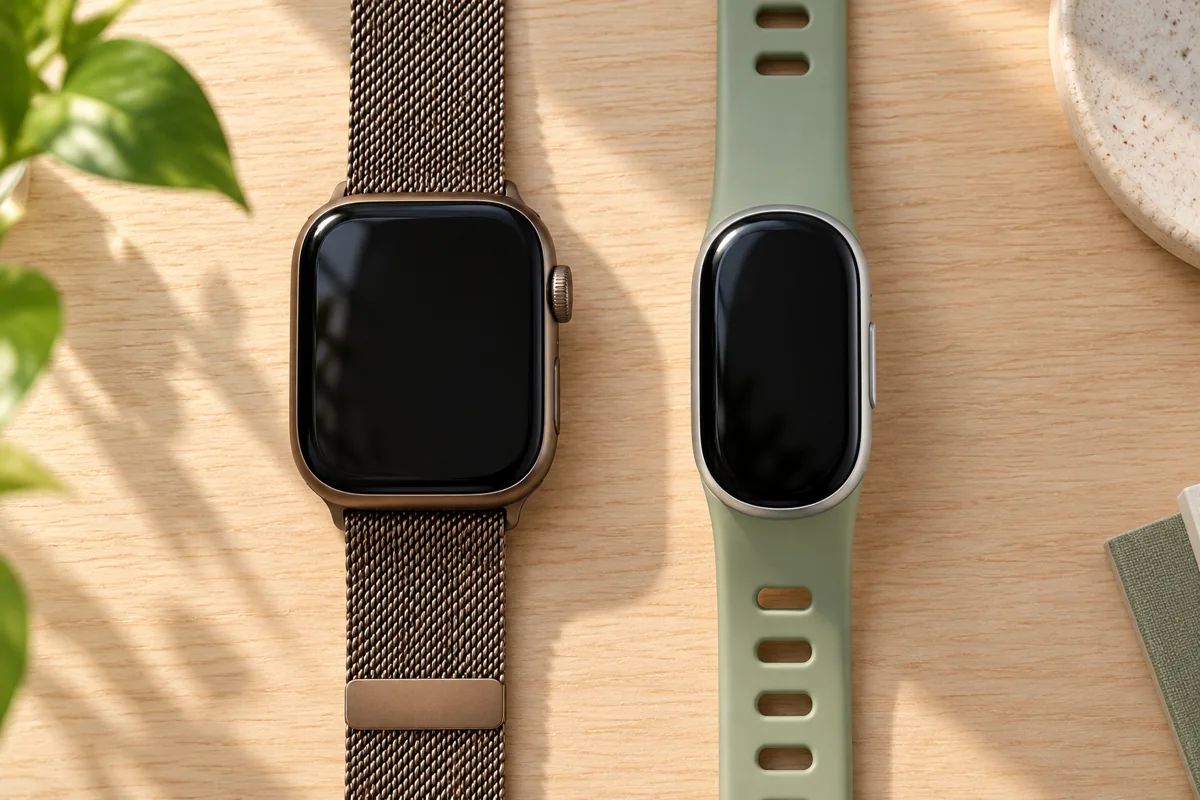
Before diving into specific brands and fitness device reviews, understanding the fundamental smartwatch vs fitness band distinction is essential. These categories represent different philosophies about what a wrist-worn device should prioritize, and choosing the wrong category often leads to buyer’s remorse regardless of brand quality.

What is a Fitness Band?

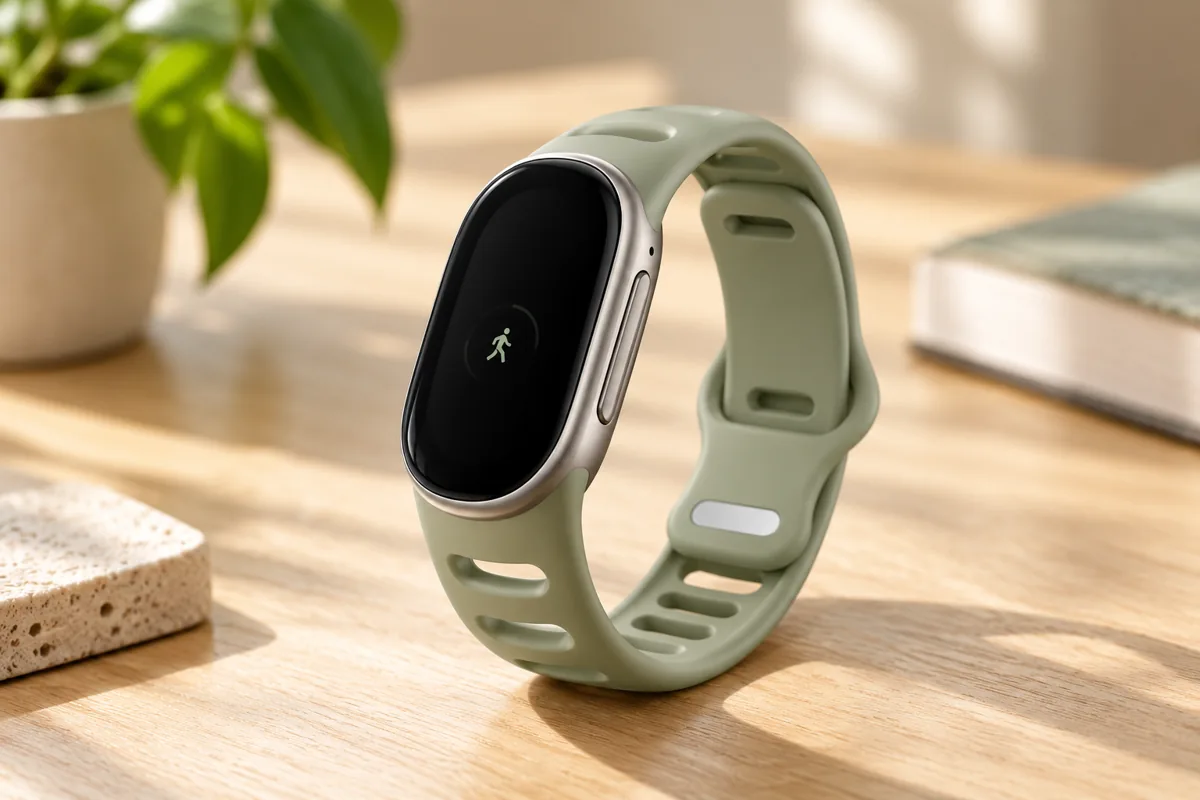
Fitness bands are streamlined wearable devices focused primarily on activity tracking, step counting, heart rate monitoring, and sleep tracking with minimal smart features. Think of them as dedicated health monitors that excel at their core mission without the distractions of a smartphone on your wrist.

Key characteristics of fitness bands:

  • Lightweight, slim profile typically weighing 20-30 grams
  • Extended battery life of 5-7+ days between charges
  • Lower price point ranging from $50-$150
  • Smaller displays (often 0.7″-1.0″) with basic color or monochrome screens
  • Focus on health metrics rather than smartphone functionality

Examples include: Fitbit Inspire 3, Fitbit Charge 6, Garmin Vivosmart 5, and Xiaomi Mi Band series.

What is a Smartwatch?

Smartwatches are comprehensive wrist-worn computers that combine fitness tracking with smartphone capabilities, app ecosystems, and lifestyle features. They represent the “do everything” approach, attempting to replace both your fitness tracker and serve as a smartphone extension.

Key characteristics of smartwatches:

  • Larger displays (1.2″-1.9″) with full-color AMOLED or LCD touchscreens
  • Comprehensive app support with thousands of downloadable applications
  • Notification handling including calls, texts, and app alerts
  • Shorter battery life typically 1-2 days (except Garmin models)
  • Higher price point ranging from $200-$800+
  • Heavier construction weighing 30-60 grams

Examples include: Apple Watch Series 9, Fitbit Sense 2, Fitbit Versa 4, Garmin Fenix 7, and Samsung Galaxy Watch.

Key Differences Breakdown

The smartwatch vs fitness band comparison reveals stark contrasts across multiple dimensions:

Battery Life: Fitness bands typically last 5-14 days on a single charge, while smartwatches require charging every 1-2 days. Notable exception: Garmin smartwatches maintain 5-14+ day battery life despite advanced features, representing the best of both worlds.

Display Technology: Fitness bands use smaller monochrome or basic color screens optimized for battery efficiency and outdoor visibility. Smartwatches feature larger, vibrant AMOLED/LCD touchscreens that consume more power but provide superior app experiences and readability.

Functionality Scope: Fitness bands concentrate on health metrics—steps, heart rate, sleep stages, calories, and workout tracking. Smartwatches add phone calls, text replies, extensive apps, music streaming storage, mobile payments, and voice assistants.

Price Positioning: Fitness bands occupy the $50-150 budget-friendly range, making fitness tracking accessible. Smartwatches command $200-800+ premium pricing, reflecting their expanded capabilities.

Form Factor and Comfort: Fitness bands maintain a lighter, less intrusive wrist presence ideal for 24/7 wear including sleep. Smartwatches are more noticeable, heavier, and some users find them uncomfortable for sleeping.

Decision Framework: Which Suits You?

Understanding when to choose each category helps narrow your search before considering specific brands:

Choose a fitness band if:

  • You’re budget-conscious and primarily want activity and sleep tracking
  • Extended battery life (week+ between charges) is important
  • You prefer minimal wrist presence and lightweight comfort
  • Smartphone notifications are sufficient without needing to reply from your wrist
  • You want to avoid additional digital distractions

Choose a smartwatch if:

  • You want comprehensive features beyond fitness tracking
  • Daily charging doesn’t bother you (already charge phone/earbuds nightly)
  • You frequently check notifications and want quick responses
  • Apps, music streaming, and mobile payments add value
  • You’re willing to invest more for an all-in-one device

For those just starting their fitness journey, selecting your first wearable device requires understanding these fundamental categories before getting overwhelmed by brand-specific features.


Fitbit: Comprehensive Brand Analysis

Fitbit pioneered consumer fitness tracking and remains the most recognizable name in the category. Founded in 2007 and launching its first device in 2009, Fitbit made activity tracking mainstream by combining accurate sensors with user-friendly interfaces and social motivation features. Now owned by Google following a 2021 acquisition, Fitbit occupies a unique market position balancing features, usability, and price across the spectrum from budget to premium.

Company Background and Market Position

Fitbit’s core strength lies in making fitness tracking accessible and enjoyable for average consumers rather than just elite athletes. The brand built its reputation on:

  • Accurate, reliable tracking that “just works” without complex setup
  • Intuitive app interfaces that visualize health data clearly
  • Community features including challenges and leaderboards for motivation
  • Cross-platform compatibility supporting both iOS and Android
  • Reasonable pricing making fitness tracking affordable for most budgets

Current Fitbit Product Lineup (2024)

Fitbit offers both fitness bands and smartwatches, allowing consumers to choose their preferred form factor while staying within the ecosystem:

Fitness Bands

Fitbit Inspire 3 ($99.95): The entry-level tracker delivers impressive value with 10-day battery life, continuous heart rate monitoring, comprehensive sleep tracking with sleep stages, stress management tools, 20+ exercise modes, and water resistance to 50 meters. Its small color touchscreen displays essential metrics at a glance without overwhelming new users.

Target user: Budget-conscious beginners, casual fitness enthusiasts, those wanting basic tracking without smartphone features, or anyone testing whether they’ll actually wear a fitness tracker consistently.

Fitbit Charge 6 ($159.95): This advanced fitness band bridges the gap between basic tracker and full smartwatch. It includes built-in GPS for phone-free run tracking, enhanced heart rate accuracy with 60+ exercise modes, 7-day battery life, larger and brighter display than Inspire 3, YouTube Music controls, Google Maps turn-by-turn directions, and Google Wallet for payments.

Target user: Serious exercisers who want advanced metrics and GPS but prefer the fitness band form factor over a full smartwatch, runners who occasionally leave their phone at home, or those upgrading from basic trackers.

Smartwatches

Fitbit Versa 4 ($229.95): The mid-range smartwatch offers 6+ day battery life, built-in GPS, 40+ exercise modes, on-screen workout guidance, Google Maps navigation, Google Wallet mobile payments, call and text notifications, Alexa built-in, and a comprehensive health metrics dashboard.

Target user: Active individuals wanting smartwatch features without premium pricing, Android and iPhone users seeking cross-platform compatibility, those who value week-long battery over daily charging, or consumers stepping up from fitness bands.

Fitbit Sense 2 ($299.95): The premium health-focused smartwatch includes all Versa 4 features plus continuous EDA (electrodermal activity) sensor for stress tracking throughout the day, ECG app for heart rhythm assessment and AFib detection, skin temperature sensor for menstrual health and illness detection, advanced sleep analysis with personalized Sleep Profile, and body response tracking during workouts.

Target user: Health-conscious users prioritizing stress management and comprehensive wellness metrics, those interested in early health warning signs, women tracking menstrual cycles, or anyone managing chronic stress who wants data-driven insights.

Fitbit’s Core Strengths

Across all Fitbit devices, several strengths consistently emerge in fitness device reviews:

Accurate Activity Tracking: Fitbit’s step counting algorithms and heart rate monitoring have been validated in multiple independent studies, consistently achieving 95%+ accuracy in controlled conditions. The brand’s optical heart rate sensors perform reliably during both rest and moderate exercise.

Sleep Tracking Excellence: Fitbit leads the industry in sleep analysis, providing detailed breakdowns of sleep stages (light, deep, REM), Sleep Score ratings, and the innovative Sleep Profile feature that analyzes long-term sleep patterns to identify your “sleep animal” type and provide personalized insights.

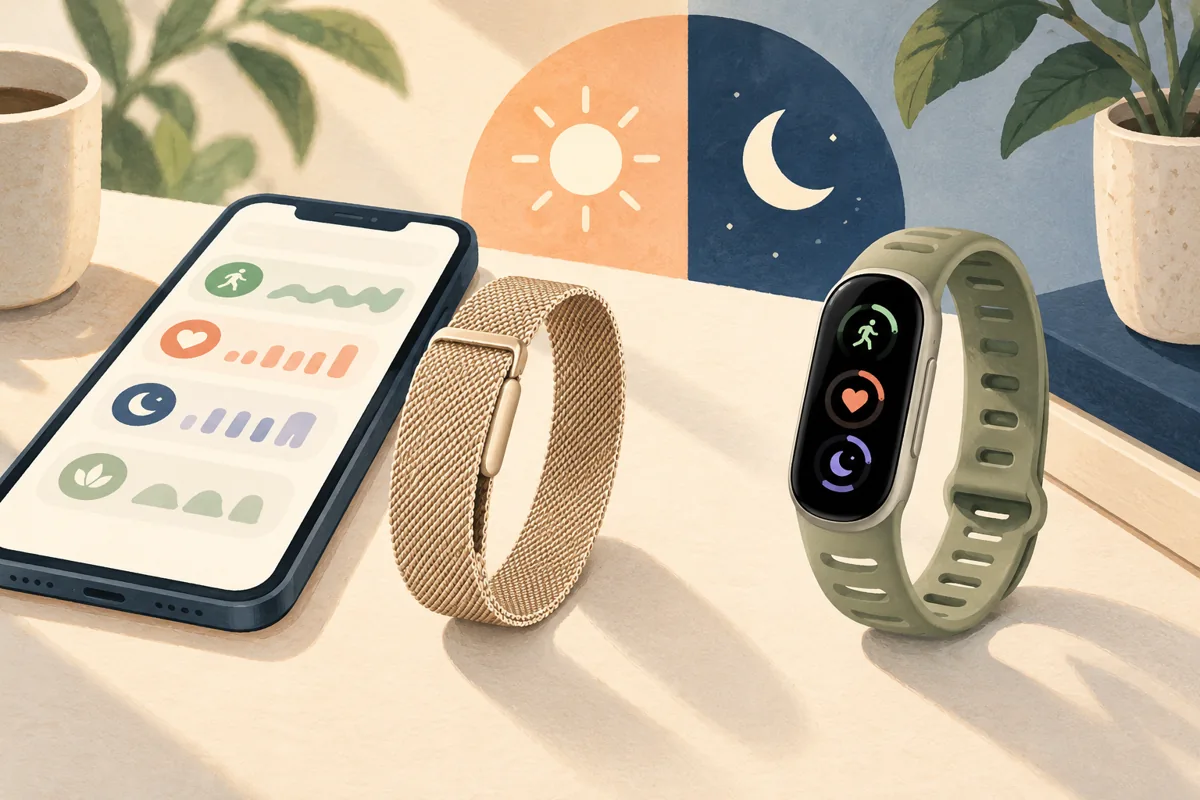
For users prioritizing sleep optimization, Fitbit’s sleep tracking capabilities complement dedicated sleep tracking solutions perfectly, offering wrist-based convenience with app-level depth.

User-Friendly App: The Fitbit app provides intuitive data visualization with clear graphs, trend analysis over days/weeks/months, social challenges to compete with friends, guided programs for specific goals, and achievement badges for motivation. Even technology novices navigate the interface easily.

Battery Life Advantage: All Fitbit devices offer 6-10 day battery life, significantly outperforming Apple Watch (18 hours to 2 days) and matching or exceeding most competitors. Users charge weekly rather than daily, reducing a common wearable frustration.

Cross-Platform Compatibility: Unlike Apple Watch’s iOS-only limitation, Fitbit works seamlessly with both iPhone and Android devices, making it accessible regardless of smartphone preference and allowing flexibility if you switch platforms.

Active Zone Minutes: Fitbit’s proprietary metric tracks time spent in fat burn, cardio, and peak heart rate zones based on your personalized heart rate data. This simplifies intensity tracking—150 Active Zone Minutes weekly meets WHO exercise guidelines regardless of specific activity type.

Community Features: Challenges, leaderboards, and social motivation tools tap into competitive psychology, making fitness tracking more engaging than solitary number-watching.

Fitbit Premium Subscription

Fitbit Premium ($9.99/month or $79.99/year) unlocks advanced analytics, guided programs, mindfulness sessions, and 200+ workout videos. The Health Metrics dashboard shows trends in breathing rate, heart rate variability, SpO2, and skin temperature variation—data collected by your device but hidden behind the paywall.

Is Premium worth it? For casual users, the free tier provides sufficient insights. For health-focused individuals wanting deeper analysis, structured fitness programs, or comprehensive wellness content, Premium adds meaningful value. Consider trying the included trial period before committing.

Ecosystem Integration

The Fitbit app syncs with 200+ popular health and fitness apps including MyFitnessPal, Strava, Weight Watchers, and LoseIt, allowing centralized health data management. Google integration continues improving with Maps, Wallet, and potential future Wear OS migration, though the timeline remains unclear.

Limitation: Fitbit’s third-party app ecosystem remains significantly smaller than Apple Watch’s App Store, limiting specialized workout apps, advanced analytics tools, and niche fitness applications.

Fitbit Value Proposition Summary

Fitbit occupies a sweet spot in the fitness tracking market: more features and polish than basic trackers, more affordable than premium smartwatches, and better battery life than most competitors. The brand excels for health-focused users who want reliable fitness tracking with excellent battery life at reasonable prices, but don’t need extensive smartphone functionality on their wrist.

Ideal for: First-time tracker buyers, health-conscious professionals, sleep optimization enthusiasts, cross-platform users, or anyone prioritizing fitness tracking over smartwatch features.


Apple Watch Fitness: The Premium Ecosystem Choice

Apple Watch fitness capabilities have evolved dramatically since the device launched in 2015. While technically a smartwatch-first device, Apple has invested heavily in health and fitness features, transforming the Apple Watch into a comprehensive wellness platform that rivals dedicated fitness trackers while maintaining extensive smartphone functionality.

Apple Watch Market Positioning

Apple Watch dominates the smartwatch market with approximately 30-35% global market share and even higher penetration among iPhone users. Unlike Fitbit’s fitness-first approach or Garmin’s athlete focus, Apple Watch fitness features serve iPhone users seeking an all-in-one device that handles communication, apps, payments, and health tracking without compromise.

Current Apple Watch Lineup (2024)

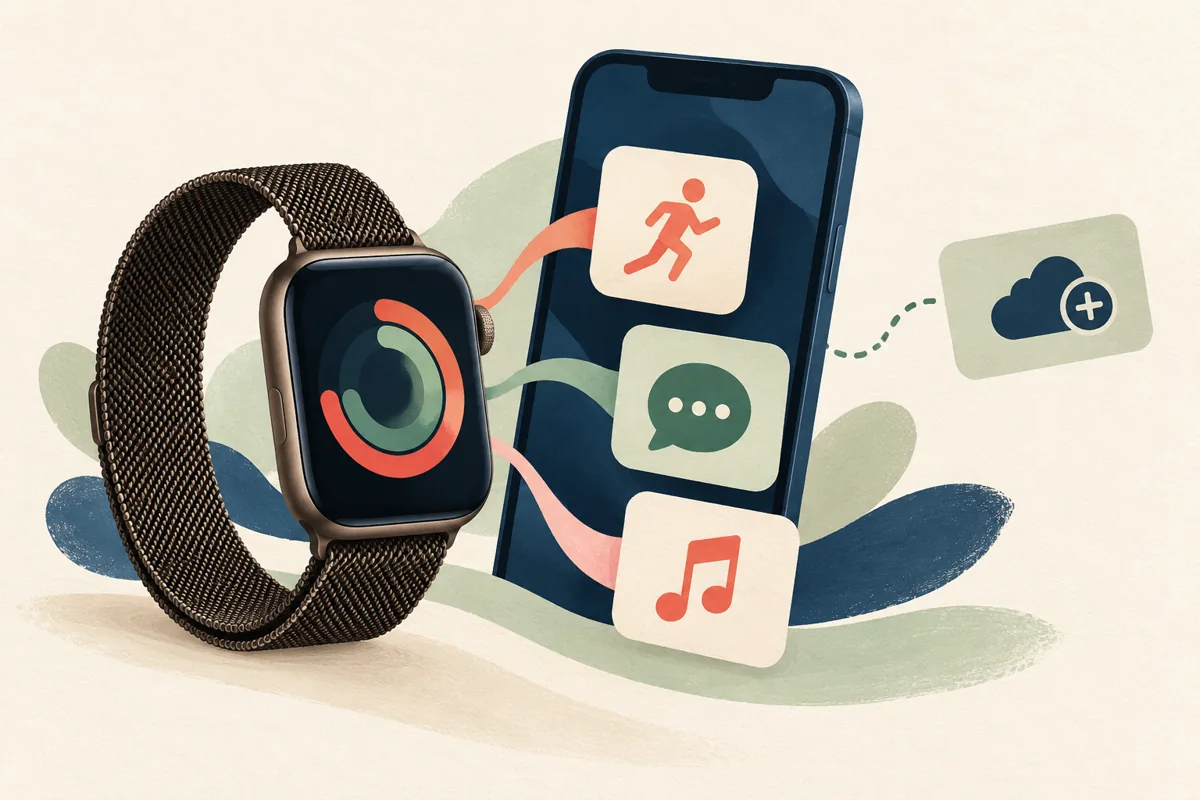
Apple Watch SE (2nd gen) ($249): The entry-level model includes heart rate monitoring, fall detection, crash detection, Activity Rings system, comprehensive Workout app, water resistance to 50 meters, and sleep tracking. It omits always-on display, ECG, and blood oxygen monitoring found in premium models.

Target user: Budget-conscious iPhone users wanting Apple ecosystem integration, parents buying for teenagers, or first-time smartwatch buyers testing the category.

Apple Watch Series 9 ($399): The mainstream model adds always-on Retina display, ECG app, blood oxygen monitoring, skin temperature sensing during sleep, advanced running metrics (cadence, stride length, ground contact time, vertical oscillation, power), and the new double tap gesture for one-handed control.

Target user: Mainstream iPhone users wanting comprehensive features, fitness enthusiasts who value medical-grade health sensors, or anyone seeking the definitive Apple Watch experience.

Apple Watch Ultra 2 ($799): The premium outdoor/adventure watch features titanium case, customizable Action button, 86dB emergency siren, dual-frequency GPS for precision tracking in challenging environments, 36-hour battery life (double Series 9), depth gauge for recreational diving to 40 meters, water resistance to 100 meters, and enhanced durability for extreme conditions.

Target user: Serious athletes and outdoor adventurers needing maximum battery, precision GPS, rugged construction, or anyone wanting the absolute best Apple Watch regardless of price.

Apple Watch Fitness-Specific Features

Activity Rings System: Apple’s signature motivation framework consists of three daily rings—Move (active calories burned), Exercise (minutes of elevated heart rate activity), and Stand (hours with at least one minute of movement). The simple visual system makes fitness tracking intuitive and psychologically rewarding when you “close your rings.”

Workout App: Supports extensive activity types including running (outdoor/indoor), cycling (outdoor/indoor/stationary), swimming (pool/open water), HIIT, yoga, strength training, dance, hiking, rowing, and more. Automatic workout detection starts tracking if you forget to manually begin a session.

Advanced Running Metrics: Series 9 and Ultra 2 provide professional-level data including cadence (steps per minute), stride length, ground contact time, vertical oscillation (bounce), and running power—metrics previously requiring dedicated running watches or footpods.

Heart Rate Monitoring: Optical sensors provide continuous heart rate tracking with high/low heart rate notifications and irregular rhythm notifications that have detected undiagnosed atrial fibrillation in numerous users.

ECG Capability: Series 9 and Ultra 2 offer medical-grade ECG readings in 30 seconds by touching the Digital Crown. FDA cleared for detecting atrial fibrillation (AFib), this feature has literally saved lives by identifying serious heart conditions requiring immediate medical attention.

Blood Oxygen (SpO2): On-demand and background measurements help track altitude acclimatization during mountain activities, provide sleep insights related to breathing disturbances, and offer general wellness indicators.

Sleep Tracking: Monitors sleep stages (REM, Core, Deep), respiratory rate, and sleep duration with all data integrating into the comprehensive Health app for long-term trend analysis.

Fitness+ Integration: Apple’s $9.99/month subscription service delivers studio-quality workouts across strength, yoga, HIIT, cycling, treadmill, rowing, dance, and meditation. Real-time metrics display on screen during workouts, and Activity Rings update live, creating seamless integration between guided instruction and personal tracking.

For those seeking comprehensive fitness guidance beyond device tracking, excellent app recommendations pair perfectly with Apple Watch fitness capabilities, maximizing your health investment.

Apple Ecosystem Advantages

The Apple Watch fitness experience extends far beyond the device itself:

  • Seamless Integration: Unified health data across iPhone, iPad, and Mac through the Health app creates a comprehensive wellness platform
  • Communication: Full iMessage support, phone calls, FaceTime audio, and quick replies directly from your wrist
  • Apple Pay: Industry-leading mobile payment acceptance at millions of merchants worldwide
  • Siri: Voice assistant for hands-free control, timers during workouts, music playback, and smart home control
  • App Store: 20,000+ Apple Watch apps including specialized fitness tools, nutrition trackers, and workout planners
  • AirPods Integration: Perfect wireless audio pairing for distraction-free workouts
  • Family Setup: Allows children or elderly family members without iPhones to use cellular Apple Watch models with your account

Apple Watch Fitness Limitations

Despite impressive capabilities, Apple Watch fitness faces several significant drawbacks:

Battery Life: The 18-hour typical battery life (36 hours for Ultra 2) requires daily charging for most users—a major inconvenience compared to Fitbit’s 6-10 days or Garmin’s 7-37+ days. This limitation particularly impacts multi-day hiking trips, ultra-endurance events, or users who simply forget to charge devices regularly.

iPhone Requirement: Apple Watch only works with iPhone, immediately excluding approximately 50% of the US smartphone market using Android devices. This creates vendor lock-in—switching to Android means abandoning your Apple Watch investment.

Price Premium: Even the entry-level SE costs $249, significantly more than Fitbit Inspire 3 ($99.95) or comparable fitness bands. Premium models reach $799, making Apple Watch the most expensive mainstream fitness tracking option.

Training Depth: While comprehensive for most users, Apple Watch fitness lacks some advanced training metrics Garmin offers serious athletes—Training Load, Training Status, Training Readiness, detailed recovery analytics, and sport-specific performance predictions.

Who Should Choose Apple Watch Fitness

Despite limitations, Apple Watch fitness represents the ideal choice for specific user profiles:

  • iPhone users deeply invested in Apple ecosystem (Mac, iPad, AirPods, iCloud)
  • Users wanting comprehensive smartwatch functionality alongside solid fitness tracking
  • Those who don’t mind daily charging routines (already charge phone/earbuds nightly)
  • Fitness enthusiasts valuing convenience and integration over maximum battery life
  • Users wanting medical-grade health features (ECG, fall detection, irregular rhythm notifications)
  • Anyone prioritizing extensive app selection and third-party integration
  • Premium buyers willing to pay more for best-in-class industrial design and materials

Garmin Fitness Tracker: The Athlete’s Choice

Garmin fitness tracker options occupy a distinct market position, focusing on serious athletes, outdoor enthusiasts, and multi-sport competitors rather than casual users. Founded in 1989 as a GPS navigation company, Garmin leveraged its positioning expertise into fitness tracking, creating devices known for advanced training metrics, exceptional battery life, and rugged durability.

Garmin’s Unique Market Position

While Fitbit targets mainstream consumers and Apple Watch serves iPhone users wanting comprehensive features, Garmin deliberately focuses on performance-oriented athletes who need specialized capabilities. This athlete-first philosophy justifies premium pricing through features competitors simply don’t offer.

Garmin Fitness Tracker Lineup (2024)

Garmin offers extensive product lines spanning fitness bands, running watches, multisport watches, and outdoor adventure watches:

Fitness Bands

Garmin Vivosmart 5 ($149.99): The slim fitness band includes 7-day battery life, heart rate monitoring, stress tracking, sleep monitoring with sleep score, Body Battery energy tracking, incident detection for safety, and basic smart notifications. It represents Garmin quality in minimal form factor.

Target user: Users wanting Garmin ecosystem and advanced metrics in a discreet fitness band, or those preferring minimal wrist presence while maintaining comprehensive tracking.

Running-Focused Watches

Garmin Forerunner 165 ($249.99): Entry running watch with built-in GPS, Training Status, Training Readiness, running dynamics, personalized heart rate zones, and 11-day battery in smartwatch mode.

Garmin Forerunner 265 ($449.99): Advanced runner watch featuring vibrant AMOLED display, Training Load analysis, recovery time advisor, race predictor for multiple distances, PacePro pacing strategies accounting for elevation, and 13-day battery life.

Garmin Forerunner 965 ($599.99): Premium runner watch with all advanced metrics, full-color topographic maps, titanium bezel for durability, 23-day battery, and comprehensive triathlon mode for multi-sport athletes.

Multisport/Outdoor Watches

Garmin Venu 3 ($449.99): Lifestyle-fitness hybrid with stunning AMOLED screen, wheelchair mode for adaptive athletes, nap detection, comprehensive sleep coaching, 14-day battery, and broader appeal design suitable for both workouts and professional settings.

Garmin Fenix 7 ($699.99+): Premium multisport flagship with sapphire lens, tactical features, TopoActive maps pre-loaded, multi-GNSS support (GPS, GLONASS, Galileo), and up to 37-day battery in smartwatch mode (solar versions extend even further).

Garmin Epix Pro ($899.99+): Combines Fenix 7 capabilities with brilliant AMOLED always-on display, built-in LED flashlight for night navigation, and 16-31 day battery depending on case size selection.

Garmin Fitness Tracking Advantages

Garmin fitness tracker devices dominate in several critical areas:

Advanced Training Metrics

Training Status: Algorithmic assessment combining recent training history with performance indicators, categorizing your status as productive, maintaining, peaking, recovery, unproductive, or overreaching. This guidance prevents overtraining while ensuring adequate stimulus.

Training Readiness: Daily score combining sleep quality, recovery time, training load, and HRV status to indicate whether your body is ready for hard training or needs recovery. This feature alone prevents countless injuries by quantifying readiness.

Training Load: Measures exercise volume over a rolling 7-day period, accounting for both intensity and duration using heart rate zones and power data. Optimal load balances stimulus and recovery.

VO2 Max Estimation: Predicts maximal oxygen uptake for running and cycling, providing objective cardiovascular fitness measurement that tracks improvement over weeks and months.

Running Power: Wrist-based power measurement shows effort level independent of terrain and environmental factors—running uphill at 250 watts requires the same energy whether it’s hot, cold, windy, or calm.

Running Dynamics: Ground contact time balance, stride length, vertical ratio, and vertical oscillation help optimize form and efficiency, reducing injury risk and improving performance.

Race Predictor: Estimates finish times for 5K, 10K, half-marathon, and marathon based on current VO2 Max and training status—surprisingly accurate for athletes with consistent training.

PacePro: GPS-based pacing strategies account for course elevation changes, telling you exactly what pace to run each segment to achieve your goal time while managing effort appropriately.

Performance Condition: Real-time assessment 6-20 minutes into runs comparing current pace/heart rate relationship to your fitness baseline, indicating whether you’re having a good or bad day performance-wise.

For serious athletes looking to complement their Garmin tracking with structured programs, comprehensive workout guidance and strength training protocols maximize your performance investment.

Battery Life Leadership

Garmin absolutely dominates battery performance:

  • Fitness trackers: 7+ days typical
  • Running watches: 11-23 days smartwatch mode, 20-73 hours continuous GPS mode
  • Premium outdoor watches: 16-37 days smartwatch mode (even longer with solar charging), 42-213 hours GPS mode

This battery leadership destroys Apple Watch (18 hours standard, 36 hours Ultra) and significantly exceeds Fitbit smartwatches (6+ days). For ultra-endurance athletes, multi-day backpackers, or anyone who simply hates charging devices, Garmin’s battery life is transformative.

Multi-Sport Support

Garmin fitness tracker devices offer dedicated profiles for running, cycling, swimming (pool/open water), triathlon with automatic transitions, hiking, skiing (downhill/cross-country/backcountry), golf with course maps, rowing, paddleboarding, surfing, climbing, and 50+ other activities. Each profile provides sport-specific metrics:

  • Skiing: Tracks individual runs, vertical descent, speed, and calculates total skiing time versus lift time
  • Golf: Pre-loaded course maps with distances to hazards, automatic shot tracking, digital scorecard
  • Surfing: Counts waves caught, tracks ride distance and speed, maps surf sessions
  • Swimming: Stroke identification, SWOLF efficiency score, drill logging, rest timers

Navigation Capabilities

Premium Garmin models include built-in TopoActive maps with turn-by-turn navigation, breadcrumb trail recording, TracBack routing to retrace your path, and multi-GNSS support for accurate positioning in challenging environments like canyons or dense forests. Incident detection automatically sends your location to emergency contacts if the watch detects a hard fall during activities.

Garmin Connect App and Ecosystem

The Garmin Connect platform provides comprehensive data analysis with detailed graphs, trend visualization, training insights, and performance analytics that appeal to data-focused athletes. Structured training plans range from beginner to advanced across various race distances. Segments and leaderboards enable competitive comparison. The Connect IQ store offers watch faces, apps, and data fields, though selection remains smaller than Apple’s App Store. Integration with Strava, TrainingPeaks, MyFitnessPal, and other platforms centralizes your training data.

Garmin Fitness Tracker Limitations

Smartwatch Features: Limited compared to Apple Watch—basic notifications without rich interactions, no extensive app ecosystem, no phone calls or message replies on most models. Garmin deliberately prioritizes fitness over smartphone functionality.

User Interface: More complex with steeper learning curve than Fitbit or Apple Watch. The interface assumes users want comprehensive data and are willing to invest time learning the system—not ideal for technology novices.

Price: Premium pricing with serious features starting around $449.99, and flagship models exceeding $899.99. Entry-level options exist, but Garmin’s value proposition emerges at higher price points.

Design: Sporty, technical aesthetic prioritizes function over fashion. Less suitable for formal business environments or dress occasions compared to Apple Watch’s versatile design language.

Lifestyle Integration: Garmin Pay has limited merchant acceptance compared to Apple Pay or Google Wallet. Smart assistant integration remains basic.

Who Should Choose Garmin Fitness Tracker

Despite higher prices and complexity, Garmin fitness tracker devices are ideal for:

  • Serious runners, cyclists, triathletes, or multi-sport athletes needing advanced training metrics
  • Outdoor enthusiasts requiring navigation, extended battery, and rugged durability
  • Data-driven individuals who analyze training trends to optimize performance
  • Users prioritizing battery life and comprehensive fitness features over smartphone functionality
  • Athletes training for specific race goals wanting structured guidance and performance predictions
  • Anyone participating in niche sports (skiing, surfing, golf) benefiting from specialized tracking

Comprehensive Fitness Device Reviews: Head-to-Head Comparison

Thorough fitness device reviews must evaluate products across multiple dimensions rather than declaring a single winner. The “best” device depends on individual priorities—budget, platform compatibility, fitness goals, and lifestyle needs. This section compares Fitbit, Apple Watch fitness, and Garmin fitness tracker options across key criteria.

Key Evaluation Criteria

Tracking Accuracy

Heart Rate: Optical heart rate sensors vary in accuracy, but Garmin and Apple Watch generally perform best in independent testing, with Fitbit remaining very competitive. All three brands achieve acceptable accuracy during steady-state cardio; accuracy decreases during high-intensity interval training with rapid heart rate changes.

Step Counting: All three brands achieve 95%+ accuracy in controlled studies. Differences emerge in edge cases (pushing strollers, hand movements while stationary), but for practical purposes, step counting is equivalent.

GPS Accuracy: Garmin leads with multi-GNSS support (GPS + GLONASS + Galileo), providing superior accuracy in challenging environments. Apple Watch delivers solid GPS performance. Fitbit GPS is competitive for casual use but less precise in urban canyons or dense tree cover.

Sleep Tracking: Fitbit leads the industry with detailed sleep stages and the innovative Sleep Profile feature. Apple has improved significantly with sleep stage detection. Garmin provides comprehensive analysis with HRV trends and Body Battery energy scoring.

Battery Life

  • Garmin: 7-37+ days (clear winner, especially for outdoor and multi-day activities)
  • Fitbit: 6-10 days (excellent balance of features and longevity)
  • Apple Watch: 18 hours to 36 hours Ultra (requires daily charging, major limitation)

Health & Fitness Features

Fitbit: Excels in wellness metrics including stress management via EDA sensor (Sense 2), comprehensive sleep analysis, mindfulness tools, Active Zone Minutes for simplified intensity tracking, and 40+ exercise modes covering common activities.

Apple Watch: Offers medical-grade features including ECG, blood oxygen monitoring, temperature sensing, fall detection, crash detection, comprehensive Workout app, and seamless Fitness+ integration for guided studio workouts.

Garmin: Provides advanced training metrics (Training Status, Load, Readiness, VO2 Max, Running Power, race predictions), exceptional multi-sport support with 50+ profiles, navigation with maps, and performance-focused analytics.

Smart Features

Apple Watch: Clear winner with phone calls, text messaging with full reply capabilities, extensive App Store with 20,000+ apps, Siri voice assistant, widely-accepted Apple Pay, music streaming, and always-on display options.

Fitbit: Offers notifications, limited app selection, Google Wallet (improving acceptance), Alexa and Google Assistant integration, music controls, and growing Google ecosystem integration following acquisition.

Garmin: Provides basic notifications, limited apps via Connect IQ store, Garmin Pay with restricted merchant acceptance, music storage, but deliberately focuses on fitness over smart features.

App & Ecosystem

Apple: Seamless Health app integration across iPhone, iPad, and Mac with iCloud sync, Fitness+ subscription service, Family Sharing capabilities, and superior accessibility features.

Fitbit: User-friendly Fitbit app with social challenges and community features, Premium subscription for advanced analytics, cross-platform iOS/Android compatibility, and integration with 200+ health apps.

Garmin: Garmin Connect delivers detailed analytics and professional-depth data, structured training plans, robust web platform, Connect IQ customization, and training insights matching professional coaching platforms.

Price Range

  • Fitbit: $99.95-$299.95 (best value across price range)
  • Apple Watch: $249-$799 (premium pricing throughout lineup)
  • Garmin: $149.99-$899.99+ (premium with specialized models exceeding $1,000)

Design & Comfort

Fitbit: Lightweight construction comfortable for 24/7 wear, variety of band options at multiple price points, modern consumer aesthetics suitable for professional and casual settings.

Apple Watch: Premium materials with excellent build quality, fashionable design, extensive band ecosystem ranging from sport to luxury, heavier than Fitbit but well-balanced.

Garmin: Sport-focused design prioritizing durability over fashion, very comfortable during workouts, rugged construction withstanding harsh conditions, less suitable for formal business occasions.

Side-by-Side Comparison

Feature Comparison Table:

FeatureFitbitApple WatchGarmin
Price Range$99.95-$299.95$249-$799$149.99-$899.99+
Battery Life6-10 days18-36 hours7-37+ days
Heart RateYes, continuousYes, continuousYes, continuous
Built-in GPSCharge 6, Sense 2All modelsMost models
Sleep TrackingExcellent with Sleep ProfileGood with stagesExcellent with HRV
Workout Modes40+ modesExtensive variety50+ sport profiles
ECGYes (Sense 2)Yes (Series 9, Ultra 2)Yes (select models)
SpO2Yes (all models)Yes (Series 9, Ultra 2)Yes (most models)
Smart FeaturesNotifications, limited appsCalls, texts, extensive appsNotifications, limited apps
Mobile PaymentsGoogle WalletApple PayGarmin Pay
PlatformiOS & AndroidiOS onlyiOS & Android
Water Resistance50m (5ATM)50m, 100m (Ultra)50m to 100m
Advanced TrainingLimitedModerateExtensive
Music StorageYes (Versa/Sense)Yes (all models)Yes (most models)
Always-On DisplayYes (Sense 2, Versa 4)Yes (Series 9, Ultra 2)Yes (most models)

Pros and Cons Summary

Fitbit Pros and Cons

Pros:

  • Excellent battery life (6-10 days) reducing charging frustration
  • Most affordable range with $99.95 entry point
  • Superior sleep tracking with detailed Sleep Profile insights
  • User-friendly app and interface accessible to all skill levels
  • Cross-platform iOS/Android support providing flexibility
  • Great for wellness and lifestyle fitness versus hardcore training
  • Active Zone Minutes simplifies intensity tracking for WHO guidelines

Cons:

  • Limited third-party app ecosystem compared to Apple
  • Basic smartwatch features versus comprehensive Apple Watch capabilities
  • Fewer advanced training metrics than Garmin
  • Google Wallet merchant acceptance still expanding
  • Smaller screen sizes on fitness band models

Apple Watch Fitness Pros and Cons

Pros:

  • Comprehensive smartwatch with excellent fitness tracking integration
  • Seamless Apple ecosystem connection across all devices
  • Medical-grade health features (ECG, fall detection, irregular rhythm alerts)
  • Extensive App Store with thousands of specialized fitness applications
  • Premium design and build quality with luxury band options
  • Fitness+ subscription provides studio-quality guided workouts
  • Best-in-class smart features (calls, texts, Siri, Apple Pay)

Cons:

  • Poor battery life requiring daily charging (18 hours typical)
  • Most expensive option with $249 minimum entry price
  • iOS only—completely excludes Android smartphone users
  • Less focused training metrics than Garmin for serious athletes
  • Heavier and bulkier than dedicated fitness trackers

Garmin Fitness Tracker Pros and Cons

Pros:

  • Industry-leading battery life (7-37+ days) for multi-day activities
  • Most advanced training metrics and performance analytics
  • Superior GPS accuracy with multi-GNSS satellite support
  • Exceptional multi-sport support with 50+ activity profiles
  • Rugged, durable construction for extreme conditions
  • Navigation capabilities with pre-loaded topographic maps
  • Training Readiness and Status prevent overtraining
  • Cross-platform iOS/Android compatibility

Cons:

  • Premium pricing for advanced features ($449+ for serious models)
  • Steeper learning curve with complex interface
  • Limited smartwatch capabilities versus Apple Watch
  • Sporty design less suitable for formal business wear
  • Garmin Pay has limited merchant acceptance
  • Feature overkill for casual fitness users

Usage Scenario Recommendations

Choose Fitbit if:

  • You want excellent balance between fitness tracking and affordability
  • Sleep tracking and stress management are top priorities
  • You prefer week-long battery life over daily charging
  • You’re a casual to moderate exerciser (walking, gym classes, recreational sports)
  • You use an Android phone or want cross-platform flexibility
  • You value community features and social fitness challenges

Choose Apple Watch fitness if:

  • You’re an iPhone user invested in Apple ecosystem
  • You want comprehensive smartwatch functionality alongside fitness tracking
  • You’re willing to charge daily (already charge multiple devices nightly)
  • You value medical-grade health features and safety alerts
  • You prefer premium design with extensive customization options
  • You want access to Fitness+ guided workouts and extensive app selection

Choose Garmin fitness tracker if:

  • You’re a serious athlete training for specific performance goals
  • You need advanced performance metrics and detailed analytics
  • You participate in multiple sports or outdoor adventure activities
  • Battery life is crucial (multi-day hikes, ultra-endurance events)
  • You require navigation and mapping features
  • You’re data-driven and regularly analyze training trends for optimization

Smartwatch vs Fitness Band: Detailed Decision Framework

The smartwatch vs fitness band distinction often impacts user satisfaction more than brand selection. Even within a single brand like Fitbit, choosing between fitness bands (Inspire 3, Charge 6) and smartwatches (Versa 4, Sense 2) significantly affects daily experience. Understanding this fundamental choice prevents buyer’s remorse.

Feature Comparison by Category

Display Technology

Fitness bands utilize smaller screens (0.7″-1.0″) with monochrome or basic color displays optimized for battery efficiency and outdoor visibility. Information appears in simplified formats—step count, heart rate, time—sufficient for quick glances during activities.

Smartwatches feature larger screens (1.2″-1.9″) with full-color AMOLED or LCD technology, touchscreen navigation, and often always-on display options. These displays support rich app interfaces, detailed workout maps, message previews, and photo viewing.

Fitness Tracking Capabilities

Critical insight: For pure fitness tracking accuracy, bands often equal smartwatches. Both categories measure steps, heart rate, calories, sleep, and basic workouts with similar precision. Fitness bands provide 95% of what most users need.

Smartwatches add advanced features like on-screen workout guidance, detailed route maps, music control without pulling out your phone, and comprehensive sport-specific metrics. But the fundamental tracking—the core value proposition—remains equivalent.

Lifestyle Integration

Fitness bands handle notifications passively—you can view incoming texts and calls but cannot respond on most models. No app ecosystem exists. Music controls are basic. Mobile payments work on higher-end bands like Fitbit Charge 6 but with limited functionality.

Smartwatches enable active engagement—reply to messages via voice or preset responses, answer phone calls directly, download thousands of third-party apps, stream music independently, use comprehensive payment systems, and interact with voice assistants.

Battery Performance

Fitness bands typically last 7-14 days per charge, with some models reaching 20+ days. Weekly charging becomes routine, and battery anxiety disappears entirely.

Smartwatches range from 1-7 days depending on brand and usage. Apple Watch requires daily charging (1-2 days). Fitbit smartwatches achieve 6+ days. Garmin smartwatches reach 11+ days. Most users charge 2-3 times weekly or nightly.

Physical Design

Fitness bands maintain slim profiles, ultra-lightweight construction (20-30g), and minimal wrist presence. They’re comfortable during sleep, barely noticeable in professional settings, and don’t interfere with clothing or daily activities.

Smartwatches occupy larger footprints, weigh more (30-60g), and create prominent wrist presence. They make fashion statements—positive or negative depending on context—and some users find them uncomfortable for sleeping.

Price Consideration

Fitness bands range $50-$200, delivering excellent value for fitness-focused users who don’t need smartphone extensions.

Smartwatches cost $200-$800+, with premium pricing reflecting added functionality beyond fitness tracking.

Understanding these choices is critical for maintaining long-term motivation—effective tracking supports broader lifestyle changes that determine health outcomes.

Lifestyle Considerations

Professional Environment

Consider whether a large smartwatch suits your workplace dress code. Fitness bands remain more discreet in conservative business settings where visible technology may appear unprofessional. However, Apple Watch and premium smartwatches gain increasing acceptance as professional accessories, particularly in tech, creative, and healthcare industries.

Activity Level

Casual exercisers (walking, occasional gym sessions) find fitness bands entirely sufficient. Multi-sport athletes benefit from smartwatch sport-switching and detailed tracking. Outdoor adventurers require smartwatch navigation features like those in Garmin Fenix or Apple Watch Ultra.

Phone Dependency

Frequent phone checkers benefit from smartwatch quick notification glances and responses, reducing disruptive phone pulls throughout the day. Minimal phone users may find smartwatches add unwanted digital distractions rather than value.

Charging Tolerance

If you hate charging devices, choose fitness bands or Garmin smartwatches with extended battery. If you already charge your phone and earbuds nightly, adding Apple Watch to the routine feels less burdensome.

Budget Implications and Value Analysis

Best value fitness tracking: Fitbit Inspire 3 ($99.95) or Charge 6 ($159.95) provide 90% of average users’ needs at a fraction of smartwatch costs.

Best value smartwatch: Fitbit Versa 4 ($229.95) balances features and battery, or Apple Watch SE ($249) for iPhone users wanting ecosystem integration.

Premium investment: Garmin Fenix 7 ($699.99) or Apple Watch Ultra 2 ($799) for users needing absolute best in respective categories.

Cost over time: Consider subscription costs—Fitbit Premium ($79.99/year), Apple Fitness+ ($79.99/year), Garmin Connect (free)—when calculating total ownership expense.

Use Case Scenarios with Recommendations

Scenario 1 – Budget-conscious beginner:

Need: Basic fitness tracking, step goals, sleep monitoring without major investment.

Recommendation: Fitbit Inspire 3 ($99.95)—best entry point combining Fitbit’s excellent tracking with minimal financial commitment.

Scenario 2 – iPhone user wanting convenience:

Need: Fitness tracking plus messages/calls without constantly pulling out phone.

Recommendation: Apple Watch SE ($249)—seamless iOS integration, comprehensive features, affordable Apple entry point.

Scenario 3 – Marathon trainer:

Need: Advanced running metrics, race predictions, extended battery for long training runs and race day tracking.

Recommendation: Garmin Forerunner 265 ($449.99)—running-specific features, Training Status, 13-day battery, race predictor accuracy.

Scenario 4 – Health-focused professional:

Need: Comprehensive wellness tracking, stress management, discreet professional design, week-long battery.

Recommendation: Fitbit Charge 6 ($159.95)—advanced fitness band with health metrics, professional appearance, excellent battery life.

Scenario 5 – Outdoor adventure enthusiast:

Need: Navigation, multi-day battery for backpacking trips, rugged durability, comprehensive multi-sport tracking.

Recommendation: Garmin Fenix 7 ($699.99)—topographic maps, 37-day battery, indestructible construction, every outdoor sport covered.

Common Mistakes to Avoid

  • Buying more device than needed: Casual walkers don’t need $599 Garmin Forerunner 965 with advanced training analytics they’ll never use
  • Ignoring platform compatibility: Android users cannot use Apple Watch regardless of how appealing it seems
  • Underestimating battery importance: Active users become frustrated by Apple Watch daily charging when week-long battery better suits their lifestyle
  • Focusing solely on price: Choosing the cheapest option that lacks essential features for your specific goals wastes money
  • Overlooking ecosystem: Purchasing Fitbit when deeply invested in Apple services misses valuable integration opportunities

Fitness trackers work best when combined with proper recovery protocols including adequate sleep and flexibility training. Learn more about maintaining mobility through flexibility exercises that complement your tracking data.


Frequently Asked Questions

Which is more accurate: Fitbit, Apple Watch, or Garmin?

For core fitness metrics like step counting and heart rate during steady-state exercise, all three brands achieve 95%+ accuracy in controlled studies. Garmin and Apple Watch typically perform slightly better during high-intensity intervals with rapid heart rate changes. Garmin leads in GPS accuracy due to multi-GNSS support. Fitbit excels in sleep tracking accuracy and depth of analysis. For most users, accuracy differences are negligible—the best device is the one you’ll actually wear consistently.

Is Fitbit or Apple Watch better for weight loss?

Both support weight loss effectively through activity tracking, calorie monitoring, and workout logging. Fitbit offers advantages with longer battery life (reducing gaps in tracking), cross-platform compatibility, and lower cost making it accessible for budget-conscious users. Apple Watch provides superior ecosystem integration with nutrition apps, Fitness+ guided workouts, and comprehensive app selection. The most important factor is consistency—choose the device you’ll wear 24/7 and actually use rather than abandoning after initial enthusiasm fades.

Can you use Garmin with iPhone?

Yes, Garmin fitness tracker devices work seamlessly with both iPhone and Android devices through the Garmin Connect app. Unlike Apple Watch’s iOS-only limitation, Garmin provides full cross-platform compatibility. iPhone users can access all Garmin features including activity tracking, training metrics, navigation, and smartphone notifications. This flexibility allows platform switching without abandoning your fitness tracking investment.

Do I need a subscription for Fitbit, Apple Watch, or Garmin?

Fitbit: Core features work without subscription, but Fitbit Premium ($9.99/month or $79.99/year) unlocks advanced analytics, guided programs, and detailed health metrics. Apple Watch: No subscription required for fitness tracking, but Apple Fitness+ ($9.99/month) adds studio workouts with metrics integration. Garmin: No subscription required—all features and analytics included with device purchase, making it the best value for data-focused users. Garmin Connect platform provides professional-depth insights completely free.

Which fitness tracker has the best battery life?

Garmin dominates battery performance with 7-37+ days depending on model, crushing competitors. Fitbit offers excellent 6-10 day battery life across its lineup. Apple Watch requires daily charging with 18-hour typical battery (36 hours for Ultra 2). For multi-day outdoor activities, extended travel, or users who simply hate charging devices, Garmin’s battery leadership provides transformative convenience. Even Garmin smartwatches with comprehensive features maintain week-plus battery life.

Should I get a fitness band or smartwatch?

Choose a fitness band if you prioritize battery life (7-14 days), want lower cost ($50-$150), prefer lightweight comfort for 24/7 wear including sleep, and focus primarily on health metrics rather than smartphone features. Choose a smartwatch if you want comprehensive functionality including apps, calls, texts, music streaming, don’t mind frequent charging (daily to weekly), and value all-in-one convenience. The smartwatch vs fitness band decision often matters more than brand choice—both categories track fitness accurately, but daily experience differs dramatically.

Is Garmin better than Fitbit for running?

For serious runners training for specific race goals, Garmin significantly exceeds Fitbit with advanced metrics including Training Status, Training Load, Training Readiness, VO2 Max trends, Running Power, running dynamics (ground contact time, vertical oscillation, stride length), race predictors, and PacePro pacing strategies. Garmin’s superior GPS accuracy and extended battery support long training runs and race day tracking. However, recreational runners focused on general fitness find Fitbit entirely adequate at much lower cost. Choose based on training seriousness and data needs.

Can Android users wear Apple Watch?

No, Apple Watch requires an iPhone for setup and functionality. Android smartphone users cannot use Apple Watch regardless of how appealing the features seem. This platform limitation immediately directs Android users toward Fitbit or Garmin fitness tracker options, both of which provide full cross-platform compatibility with iOS and Android devices. If you’re considering switching from Android to iPhone in the future, Apple Watch becomes viable—otherwise, focus your fitness device reviews research on compatible brands.


Related topics

Best Fitness Tracker for Beginners

Sleep Tracking App Guide

Best Fitness Apps 2024


Conclusion

Comprehensive fitness device reviews reveal a fundamental truth: no single “best” device exists—only the best device for your individual needs, priorities, and lifestyle. Fitbit, Apple Watch fitness options, and Garmin fitness tracker lineup each excel in different areas, serving distinct user profiles.

The smartwatch vs fitness band decision significantly impacts daily satisfaction. Fitness bands deliver extended battery life (7-14 days), lightweight comfort, lower cost ($50-$150), and focused health tracking. Smartwatches provide comprehensive functionality including apps, communications, music, and payments, but require frequent charging and command premium prices ($200-$800).

Quick Decision Framework

Choose Fitbit when: You want excellent all-around fitness tracking with great battery life (6-10 days) at reasonable prices ($99.95-$299.95), prioritize sleep tracking and wellness metrics with industry-leading Sleep Profile insights, need cross-platform iOS/Android compatibility, or prefer user-friendly interfaces accessible to all skill levels.

Specific recommendations: Inspire 3 for budget-conscious beginners, Charge 6 for advanced fitness band with GPS, Sense 2 for wellness-focused smartwatch with stress tracking.

Choose Apple Watch fitness when: You’re an iPhone user wanting seamless ecosystem integration across Apple devices, value comprehensive smartwatch features alongside solid fitness tracking, need medical-grade health sensors (ECG, fall detection, irregular rhythm alerts), don’t mind daily charging routines, or want premium design with extensive customization.

Specific recommendations: SE for value-conscious buyers, Series 9 for mainstream comprehensive experience, Ultra 2 for extreme outdoor activities and maximum battery.

Choose Garmin fitness tracker when: You’re a serious athlete requiring advanced training metrics (Training Status, Load, Readiness, VO2 Max, Running Power), participate in multiple sports or outdoor activities with specialized tracking needs, need multi-day battery life (7-37+ days) for extended adventures, are data-driven about performance optimization, or train for competitive race goals.

Specific recommendations: Vivosmart 5 for basic fitness band, Forerunner 265 for dedicated runners, Fenix 7 for multisport athletes and outdoor enthusiasts.

Final Recommendations

List your top 3 priorities from this selection: battery life, training metrics, smart features, sleep tracking, price, platform compatibility, design, ecosystem integration. Match your priorities to brand strengths outlined throughout this guide.

Consider starting with a more affordable option to test the category before making premium investments. All three brands offer excellent core fitness tracking—differences emerge in advanced features, ecosystem integration, battery performance, and specialized capabilities.

Visit manufacturer websites to compare current specifications and pricing. Read user reviews for specific models on retail sites to understand real-world experiences. Try devices in-store when possible to assess comfort, interface responsiveness, and display quality. Many retailers offer return periods allowing risk-free testing.

Investing in a fitness tracking device—whether Fitbit, Apple Watch, or Garmin—represents a commitment to health that pays dividends regardless of brand choice. The best device is ultimately the one you’ll wear consistently, use to improve your habits, and leverage to achieve your health and fitness goals.

Remember that successful fitness tracking requires evidence-based decision making about your health goals. For comprehensive guidance on evaluating health information and building sustainable habits, explore evidence-based health strategies that complement your tracking investment.

“`

Filed Under: 2025 Releases, Aging Well, Fitness & Exercise, Health & Wellness, Health & Wellness, Medical Advice, Nutrition & Diet, Evidence-Based Medicine, Healthcare Literacy Tagged With: cardio workouts

Primary Sidebar

  • Facebook
  • GitHub
  • Instagram
  • Pinterest
  • Twitter
  • YouTube

More to See

The Complete Multivitamin Guide: Essential Vitamins Every Adult Needs in 2024

October 15, 2025 By SaShA

US Market Bloodbath: Historic Crash in Stocks and Crypto Sends Shockwaves – What It Means for Indian Markets on Monday

October 11, 2025 By SaShA

Tags

aerobic exercise age-friendly workouts Ancient Technology Archaeological Discoveries Beloved Pets Board certified nutritionist cardiovascular health cardio workouts celebrity Charlie Kirk Copper Age Doctor approved health information Dogecoin Doge Meme Evidence-based health advice exercise over 30 fitness for adults fitness routines Genetic Analysis healthy aging heart health Internet History Internet Icon Kabosu Licensed healthcare provider Medical expert consultation Meme Culture midlife fitness Natural Mummies Nutrition certification Pet Stories Political Violence Prehistoric Europe Prehistoric Humans Shiba Inu South Tyrol Museum Taylor Swift The Eras Tour Ticket Master Turning Point USA Tyler Robinson Utah Valley University Viral Memes Ötzi the Iceman Ötztal Alps

Copyright © 2025 · DailyFact.net Disclaimer Privacy Policy Terms and Conditions