

A useful anxiety-management plan should make daily life more manageable, not fill it with rules. This guide helps you choose a few practical actions, prepare for difficult moments, and recognize when you need professional support.
“Managing anxiety naturally” does not mean avoiding therapy or medication. Self-care can sit alongside treatment. You do not need to try every habit here, buy supplements, or wait until you can follow a perfect routine.
Key takeaways
- Choose one coping tool and one routine change to start.
- Make the plan flexible enough for busy, low-energy, and difficult days.
- Review how you are functioning, not just whether you feel calm.
- Persistent or disruptive anxiety deserves assessment; self-care is not a substitute.
In this guide
- Start with your needs, not an ideal routine
- Make a short coping card
- Build a morning, midday, and evening routine
- A flexible two-week starter plan
- Review patterns and arrange support
- Questions and next steps
Start with your needs, not an ideal routine
Write down what anxiety is making harder: getting to sleep, concentrating, leaving home, attending meetings, or connecting with people. Choose one area where a small change would be useful. You do not need to decide which diagnosis fits before asking for help.
For example, “I want to feel calm all day” is difficult to turn into an action. “I want a manageable way to prepare for my first meeting” suggests a practical step: make brief notes, allow enough travel time, and know whom to contact if you need support.
Anxiety disorders can be treated. NIMH describes established care options and the role of supporting habits. An individual plan may include therapy, medication, or both. Do not change prescribed treatment because a self-help routine sounds more natural.
Identify what is happening
| Notice | Example | Possible response |
|---|---|---|
| Situation | Checking work messages late at night | Agree a realistic stopping point |
| Thought | “If I make a mistake, everything will fail” | Write what you know and what is uncertain |
| Behavior | Avoiding an ordinary task repeatedly | Discuss a manageable approach with a professional |
| Support need | Too much caring responsibility | Ask for specific practical help |
Use observations as information, not proof that you caused your anxiety. Stressful circumstances, health problems, and mental health conditions can require support beyond personal habits.
Make a short coping card
Prepare this when you are relatively settled. Keep it brief enough to read when concentration is difficult. The steps are options, not a requirement to make symptoms disappear.
- Orient: Notice where you are and whether you are physically safe.
- Choose an anchor: Feel your feet on the floor, look at an object, or listen to a nearby sound.
- Ease the breath if comfortable: Breathe gently without forced deep breaths or long holds.
- Reduce the task: Choose the next useful action rather than the whole solution.
- Contact support: Name one person or service you can reach if you need help.
If a breathing exercise makes you dizzy or more anxious, stop and breathe normally. If internal body awareness is distressing, use something outside yourself, such as the room around you. Self-help is not a test of endurance.
Do not assume unfamiliar physical symptoms are anxiety. New chest pain, fainting, or severe breathing difficulty needs urgent medical evaluation. If you may harm yourself or cannot stay safe, use local emergency or crisis services. In the United States, call or text 988.
Build a morning, midday, and evening routine

Morning: reduce one point of friction
Choose something that makes the start of the day simpler. That could be preparing clothes the evening before, making a short task list, or allowing a little more time for travel. Do not assume you need an hour of meditation or an earlier wake time.
- Write the main priority and one realistic first step.
- Plan food and drinks that fit your needs and schedule.
- Decide when to check nonessential messages rather than reacting to every alert.
Midday: include a manageable pause
A pause might be a brief walk, seated movement, a quiet lunch, or a conversation. Choose according to your ability, role, and surroundings. If you cannot leave your workstation, consider a small comfortable change of posture or a moment to look away from the task.
Ask, “What needs adjusting for the rest of today?” You may need to change a deadline, ask for help, or reduce an optional commitment. A break is not useful if it becomes a strict performance target.
Evening: create an achievable transition
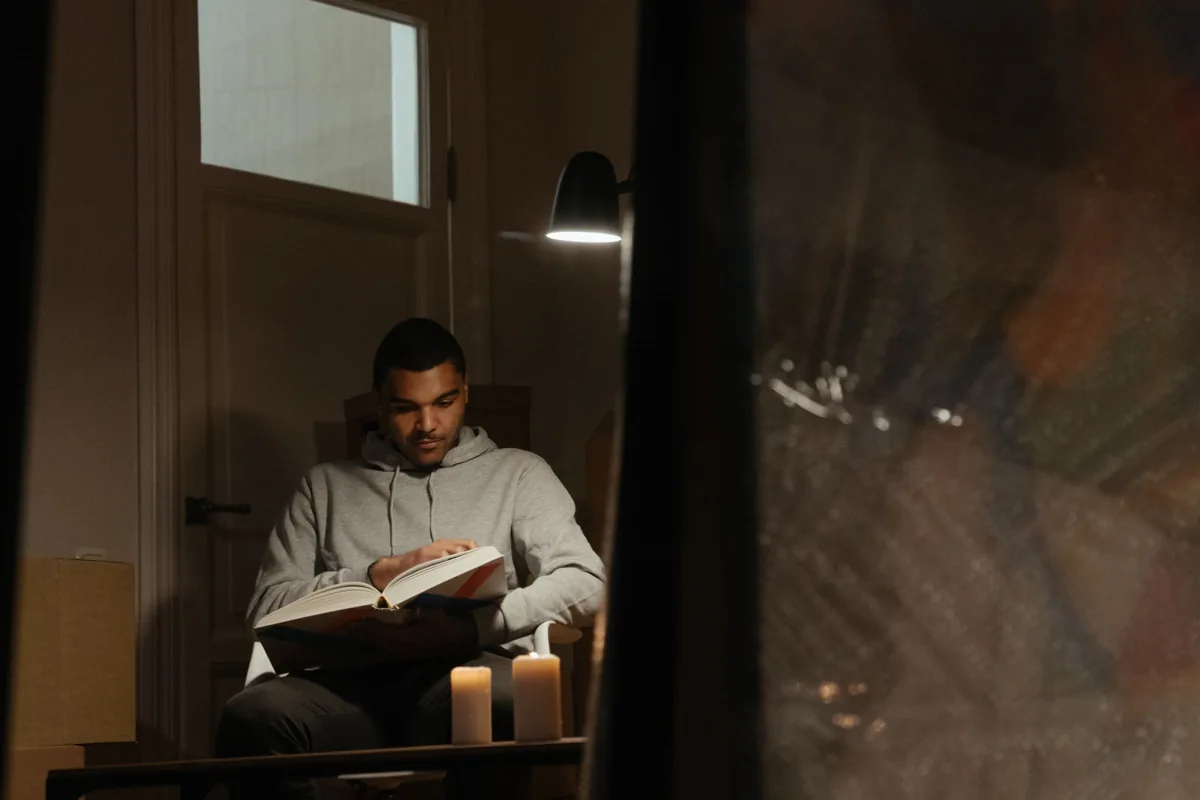
Choose a simple cue that work or chores are ending: write tomorrow’s first step, put materials away, or read for a while. A feasible wind-down routine is more useful than a long list of rules you cannot follow.
- Set a reasonable stopping point for nonessential work and notifications.
- Notice whether caffeine, alcohol, or late activities affect your sleep.
- Keep worry notes short: record the concern and any next action, then close the notebook.
- If sleep problems persist, seek advice rather than adding more supplements.
Shift work, disability, parenting, and caring roles can make regular schedules difficult. Adapt the routine around your circumstances. Needing flexibility is not a failure.
A flexible two-week starter plan
The following is an organisational template, not a clinical program or a promise of improvement within two weeks. You can start smaller, skip a step, or seek help at any point.
| Days | Small focus | Minimum version |
|---|---|---|
| 1–2 | Choose one practical goal and a coping-card option | Write one sentence about what you need |
| 3–4 | Link a short practice to an existing cue | Pause briefly after lunch |
| 5–7 | Notice one sleep, caffeine, or workload pattern | Make one observation without judging it |
| 8–10 | Ask for specific support | Send one message or arrange an appointment |
| 11–14 | Review comfort and usefulness | Keep one helpful action and simplify the rest |
Make a low-energy version
Write two versions of the routine. The ordinary version might include a short walk and a few notes. The low-energy version might be putting your feet on the floor, drinking something, and contacting a friend. Neither version is a moral achievement; they are tools.
Use reminders without creating pressure
A note beside a familiar object may work better than repeated phone alerts. If reminders feel intrusive, remove them. You do not need to maintain a streak or “catch up” after a missed day.
Do not turn support into avoidance
Boundaries can protect time and energy, but avoiding everything that feels anxious can narrow daily life. If you are repeatedly avoiding places, tasks, or people because of fear, seek help to work on this safely. Exposure-based treatment is more than forcing yourself into distress and is best planned with appropriate guidance.
Review patterns and arrange support

Keep any tracking brief. Write the situation, what you tried, whether it was comfortable, and what you need next. Focus on functioning: were you able to eat, rest, complete an important task, or ask for help? Constantly measuring anxiety or pulse can become counterproductive.
A weekly check-in
- What helped me do something important?
- Which part of the plan was unrealistic or uncomfortable?
- What practical problem needs a different solution?
- Am I avoiding more activities or struggling with basic routines?
- Who can help with the next step?
You can ask a trusted person for something concrete: “Could you check in on Wednesday?” or “Can you help me arrange an appointment?” If personal support is limited, ask a health professional about local services or suitable groups.
Persistent worry, recurring panic, disrupted sleep, or interference with work and relationships are reasons to arrange an assessment. A clinician can consider mental health and physical contributors rather than assuming every symptom is a lifestyle issue. You do not have to finish the two-week template before making an appointment.
Questions and next steps
Do I need supplements for this plan?
No. This plan does not depend on herbs, vitamins, or essential oils. Products marketed for calm are not automatically effective or safe. Discuss any product with a clinician or pharmacist, particularly if you take medicines.
What if mindfulness makes me more anxious?
Stop or adapt it. Try an external anchor or another activity, and seek guidance if distress continues. NCCIH notes that meditation can sometimes have unwanted effects. You do not need to force yourself to meditate.
How will I know the plan is helping?
Look for practical changes that matter to you, not guaranteed symptom reductions. It may be easier to prepare for work, ask for support, or recover after a difficult moment. If symptoms persist or worsen, review the plan with a professional.
What should I do today?
Choose one manageable action and one source of support. Write them down in plain language. Keep the rest optional until you know whether the first step is useful.
A plan should support you
The goal is not to become perfectly calm or perfectly consistent. It is to make room for practical support, manageable routines, and appropriate care. Adjust the plan to your life rather than trying to make your life fit a wellness checklist.