
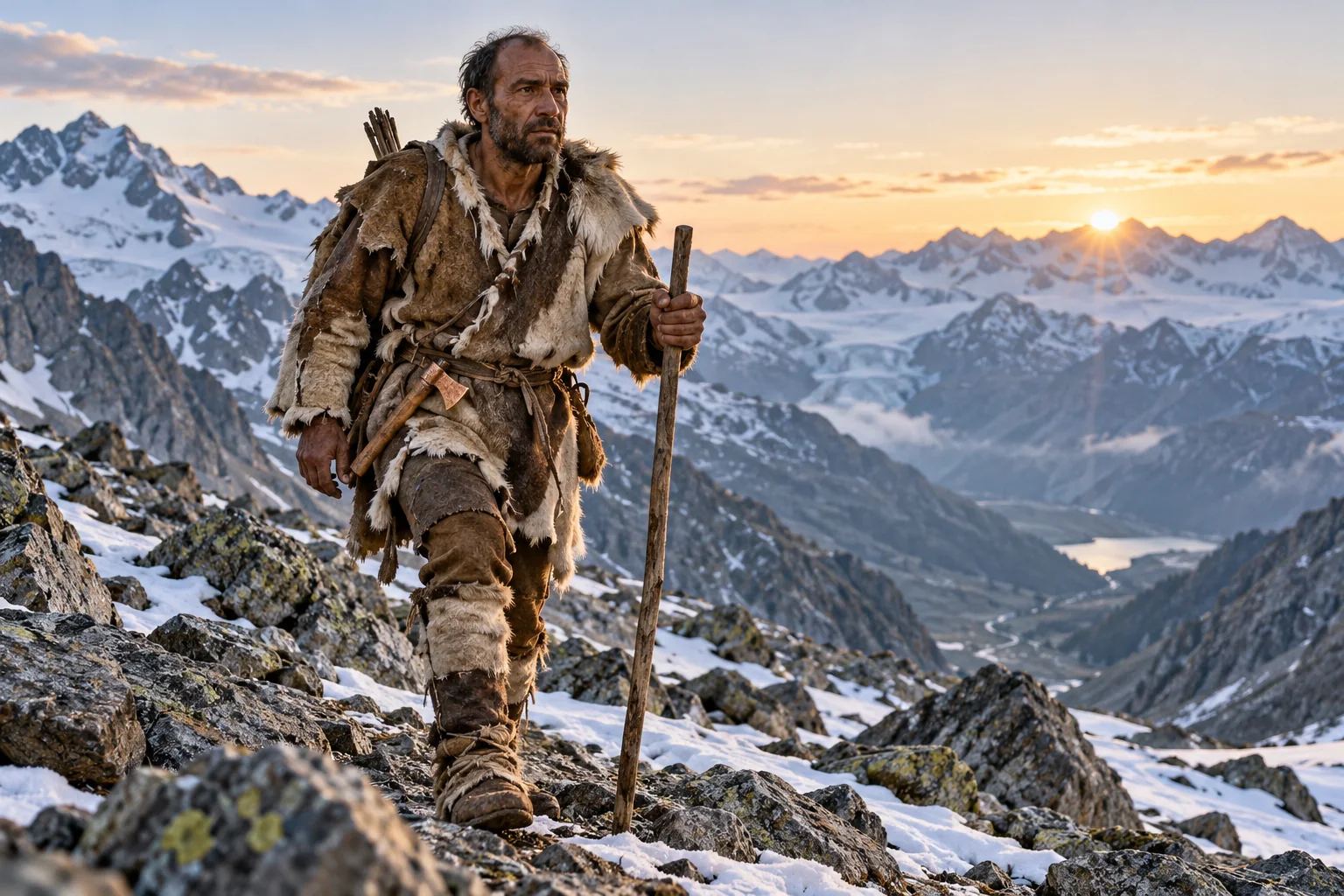
A copper axe, grass-insulated shoes, a stomach full of food, and an arrowhead in his shoulder: Ötzi the Iceman left behind an unusually personal record of life around 3300 BCE. He was a Copper Age man whose body and belongings survived in Alpine snow and ice for roughly 5,300 years.
Since his discovery in 1991, researchers have pieced together what he wore, ate, carried, and suffered. Some answers are remarkably clear. Others—including his occupation and the identity of his killer—remain unknown.
About the images: All 10 images accompanying this article are AI-generated illustrations or photorealistic interpretations. They explain the evidence; they are not photographs of Ötzi, the original artifacts, the discovery, or the museum display. Reconstructions are approximate.
Key takeaways
- Ötzi lived around 3300 BCE and was approximately 45 years old when he died.
- His clothing and equipment reveal skilled use of hide, plant fibers, stone, wood, and copper.
- An arrow wound provides strong evidence of a violent death, but the attacker and motive are unknown.
- Newer DNA studies have revised older descriptions of his appearance and ancestry.
How was Ötzi discovered?
On September 19, 1991, Erika and Helmut Simon found a body emerging from ice near Tisenjoch, also called Giogo di Tisa, in the Ötztal Alps. They were hiking at about 3,210 meters—roughly 10,530 feet—near the Austria–Italy border.

At first, the find appeared to be a mountaineer who had died relatively recently. The equipment and subsequent dating revealed something much older. A survey established that the discovery site lay on the Italian side of the border. The nickname “Ötzi” refers to the Ötztal Alps, not a name known from his lifetime. The South Tyrol Museum of Archaeology documents the discovery and recovery.
What makes this find exceptional is the combination of a naturally preserved person and everyday possessions. Materials such as leather and plant fibers usually decay; here, they survived alongside the body.
What did Ötzi wear in the mountains?
His clothes were handmade equipment for a demanding environment. The surviving wardrobe included a hide coat, separate leggings, a loincloth, a belt, and a bearskin cap. These were not modern trousers and a jacket, and there were no knitted wool garments.
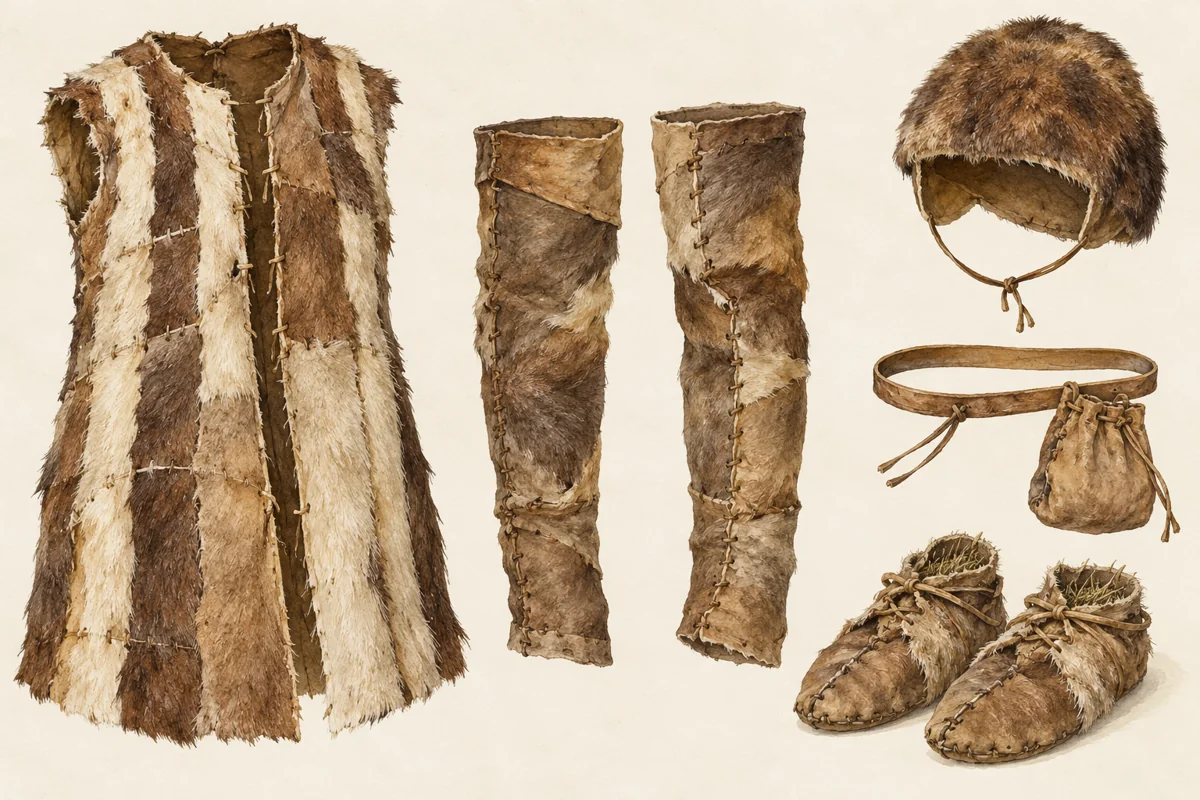
Stitching, hide selection, and repairs show practical knowledge of materials. The museum’s clothing overview also cautions that we lack comparable outfits from his time: we cannot confidently call this either standard everyday dress or a special mountain uniform.
His shoes used grass as insulation
The footwear combined a hide sole and upper with an internal plant-fiber mesh that held dry grass around the foot. Rather than treating grass as a crude substitute for a shoe, think of it as a replaceable insulating layer.
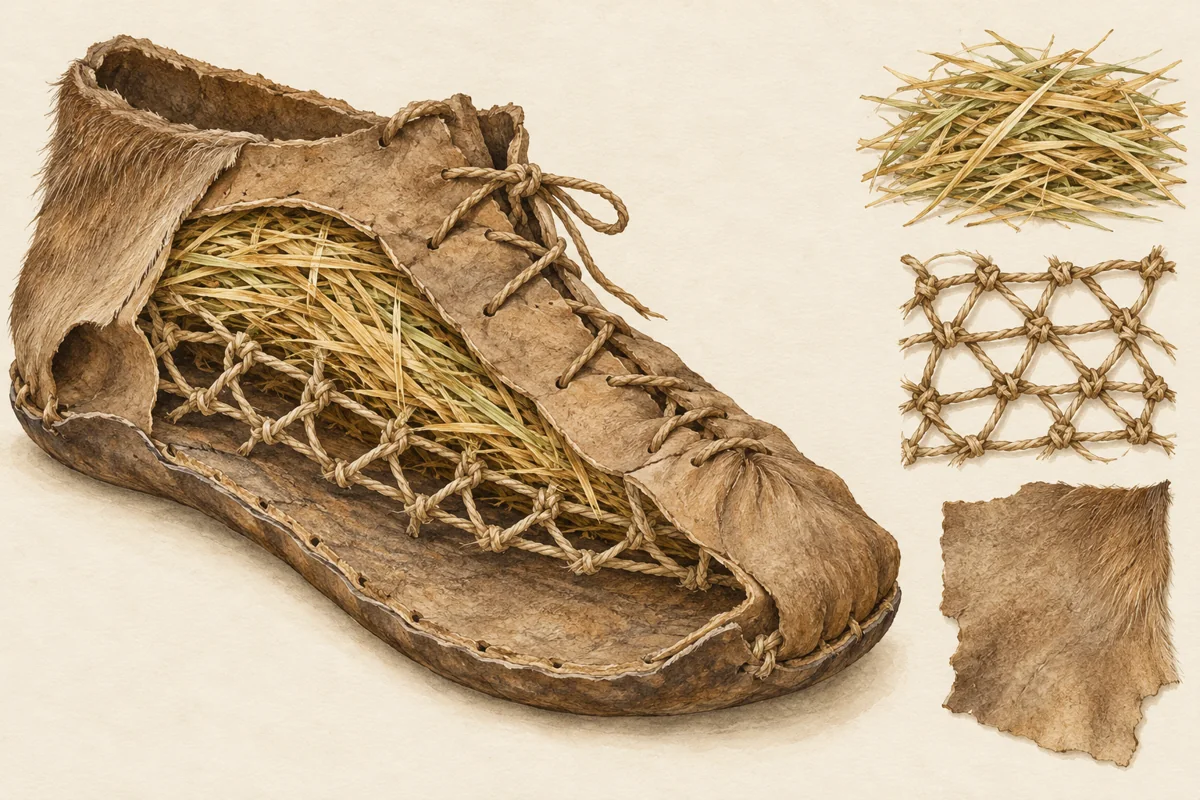
Modern experiments with replicas help explain the construction. The shoes can keep feet warm, but moisture is a weakness. The museum’s account of newly made clothing and shoe replicas describes bearskin soles, deerskin uppers, and linden-bast netting and laces. The illustration simplifies those layers; it is not a measured reconstruction.
What did his axe and tools reveal?
Ötzi lived when copper tools existed alongside stone technology. His axe is a particularly valuable example because its wooden haft, copper blade, and bindings survived together. The blade was secured to a bent yew handle with birch tar and leather strips.
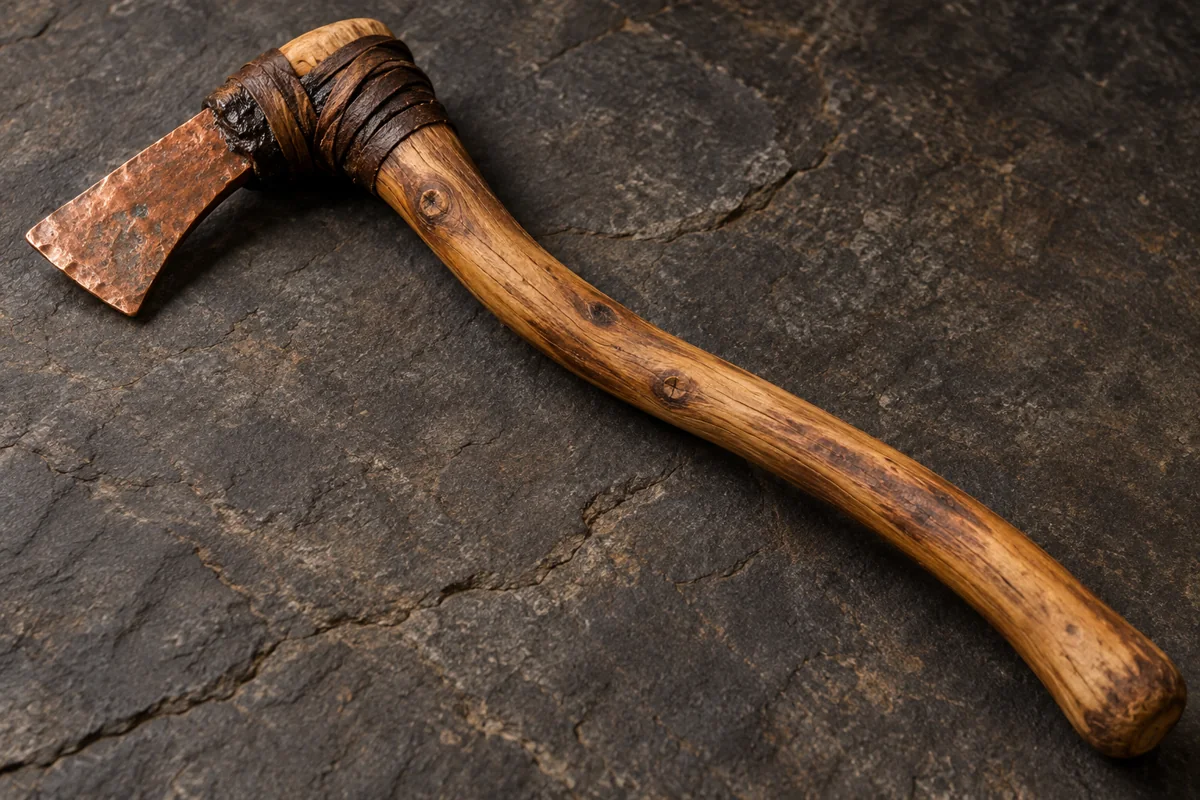
Analysis traced the copper to southern Tuscany rather than a nearby Alpine deposit. That points to connections across regions, not proof that Ötzi personally visited the mine. The axe may also have carried social significance, but possession alone cannot establish that he was a chief.
A toolkit for cutting, repairing, and making fire
His possessions also included a stone dagger, tools for maintaining stone edges, birch-bark containers, and archery equipment. An unfinished yew bow and a quiver with arrows offer a glimpse of work in progress rather than a perfectly stocked survival kit.
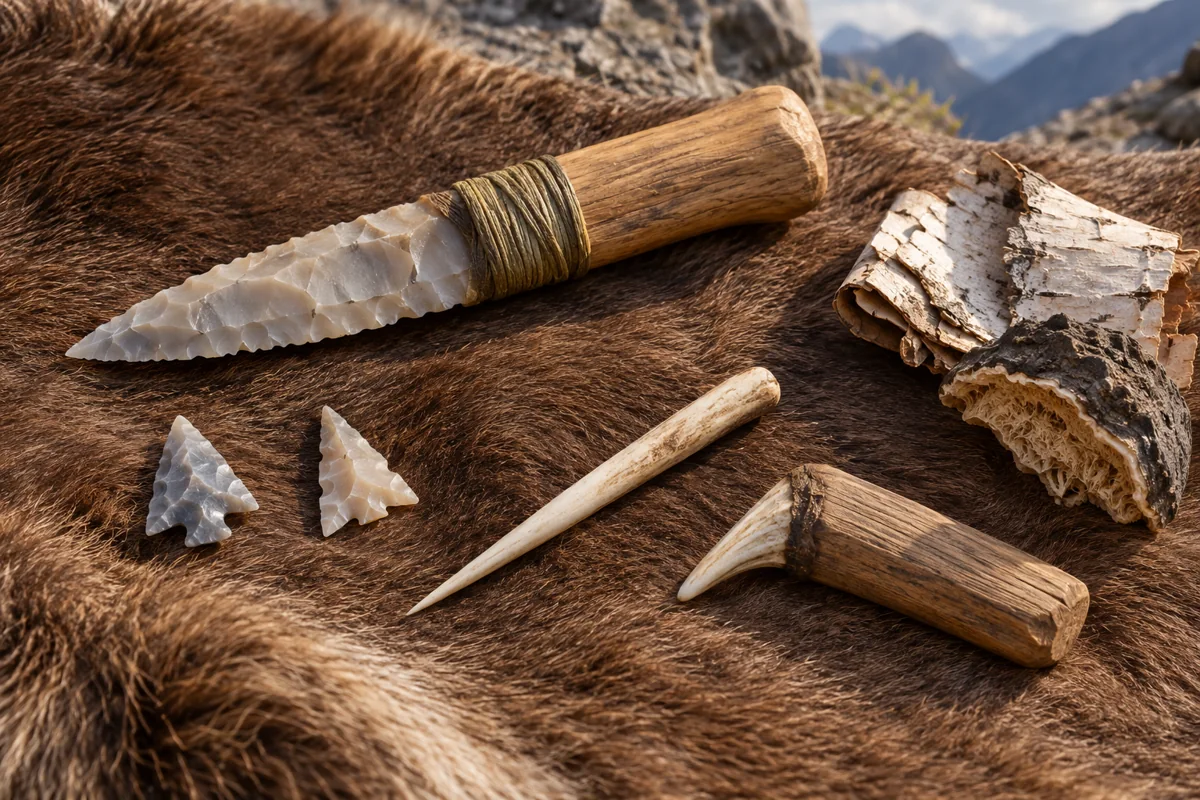
The museum’s equipment descriptions explain the individual finds. Together they show how important repair skills and knowledge of raw materials were. They do not settle whether he was a hunter, herder, craftsperson, or someone traveling for another reason.
What was Ötzi’s last meal?
A 2018 study combined microscopic examination with analyses of DNA, proteins, and other molecules from his stomach contents. It identified ibex and red deer, animal fat, and einkorn, an early form of wheat.
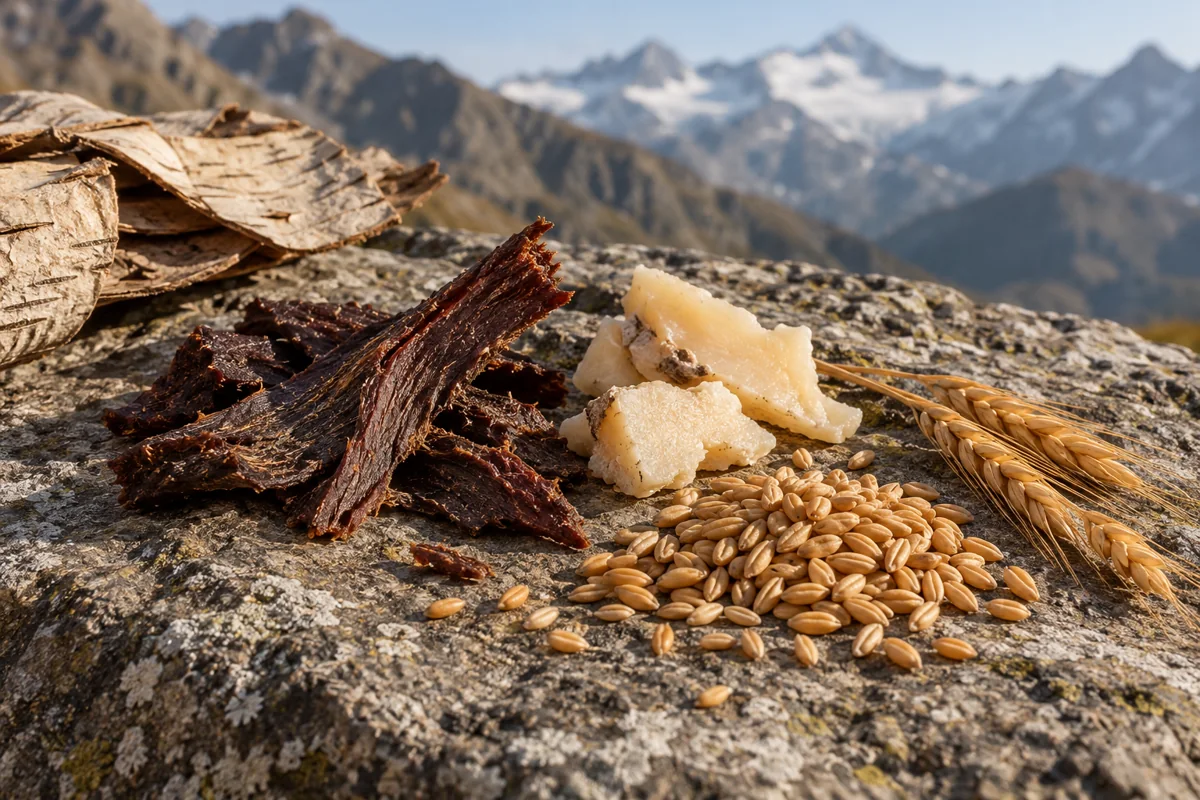
The meal was notably rich in fat. The researchers interpreted that as useful fuel in a demanding mountain environment. This is evidence about one man’s food shortly before death—not a complete menu for Copper Age Europe or a modern diet recommendation.
Traces of bracken fern were also present. Their meaning is uncertain: intentional consumption and accidental contamination from food wrapping are among the explanations discussed in the original last-meal study. We cannot recover his exact recipe or know precisely how he served the food.
Why did Ötzi have 61 tattoos?
Researchers have identified 61 tattoos, mostly simple lines and crosses rather than elaborate pictures. Their locations include the lower back and areas around joints. These are among the oldest surviving examples of tattooed human skin.
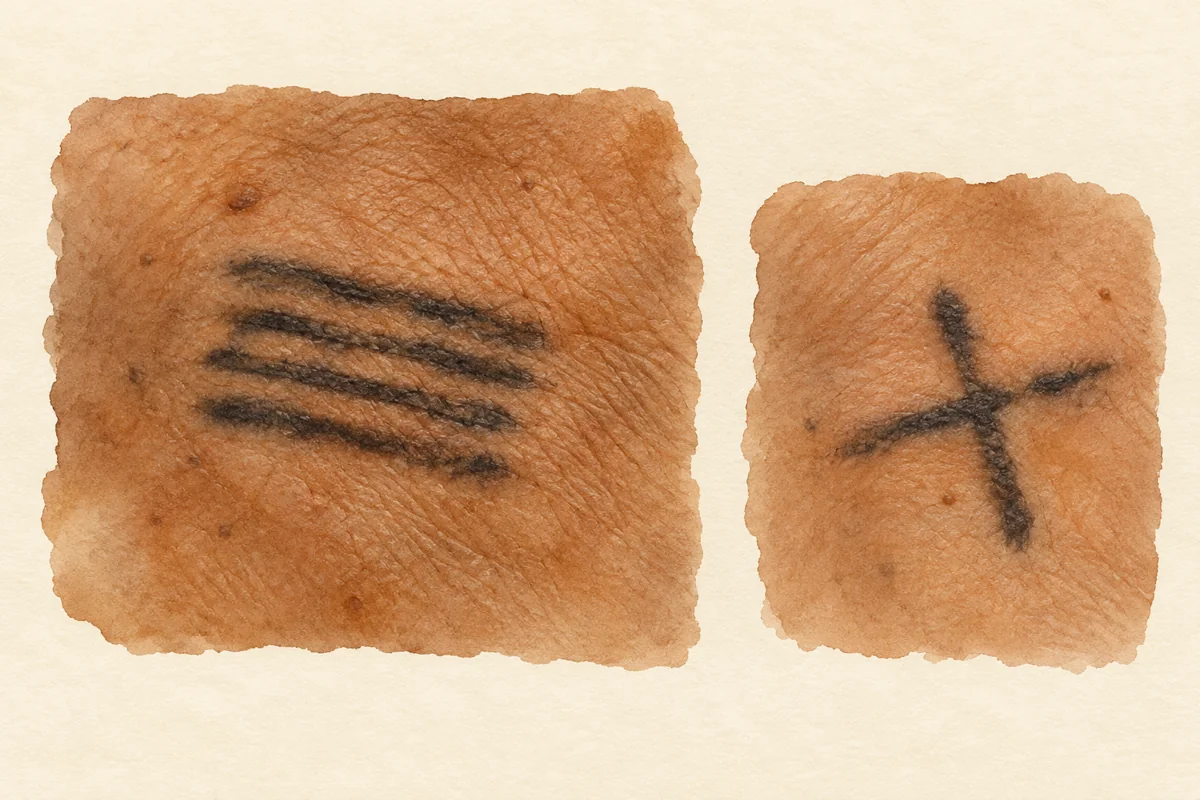
Some marks lie near areas showing physical wear, which has encouraged a pain-treatment interpretation. That remains a hypothesis. The tattoos do not prove that he received acupuncture, and their possible therapeutic, social, or symbolic meanings cannot be read directly from their shapes.
Even the technique has been reassessed. A 2024 experimental archaeology study tested assumptions about how the marks were made; the journal’s editorial summary describes evidence favoring single-point punctures over the often-repeated cut-and-rub explanation. Method and purpose are separate questions.
How did Ötzi die—and what is still unknown?
An arrowhead discovered in his left shoulder in 2001 changed the story. Imaging showed damage to a major artery, supporting fatal blood loss. There is also evidence of head trauma; whether it resulted from a fall or a blow is unresolved. The museum’s account of the body and death summarizes these findings.
The evidence supports a violent death. It does not reveal the killer’s identity, the number of attackers, or their motive. An earlier hand injury adds another clue, but reconstructing a detailed chase or final fight goes beyond what the surviving evidence can demonstrate.
His valuable axe remained with him. That makes the scene intriguing, but it is not enough to solve the case. Claims that he was certainly murdered for status, revenge, or a stolen possession should be treated as storytelling, not established history.
What has newer DNA research changed?
Older reconstructions often gave Ötzi abundant hair and relatively light skin. A higher-quality genome published in 2023 supported darker skin and a strong genetic predisposition to male-pattern baldness. It also found high ancestry related to early Anatolian farmers and no detectable Steppe-related ancestry.
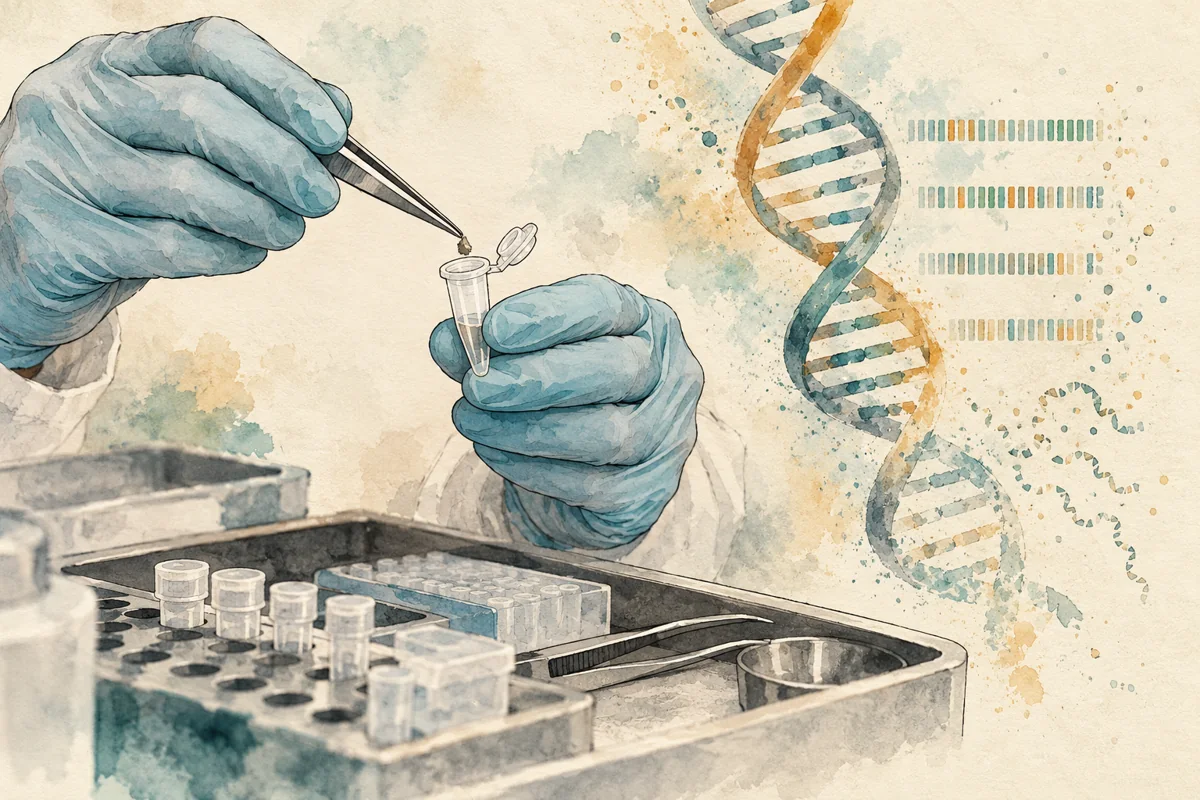
The 2023 genome study, explained by the Max Planck research team, revised conclusions affected by contamination in earlier sequencing. Genetic predictions improve reconstructions, but they cannot supply an exact portrait, hairstyle, or facial expression.
There is an important later update, too. A 2025 study of 47 prehistoric Alpine individuals found that many people from the Neolithic onward had broadly similar ancestry profiles. Ötzi was not simply a genetic exception disconnected from his neighbors.
“Anatolian-farmer-related ancestry” describes relationships to ancient populations. It is not a modern nationality, nor does it show that Ötzi himself migrated from present-day Türkiye.
Where is Ötzi now, and how is he preserved?
Ötzi is housed at the South Tyrol Museum of Archaeology in Bolzano, Italy. His survival was the result of natural preservation, not deliberate embalming.
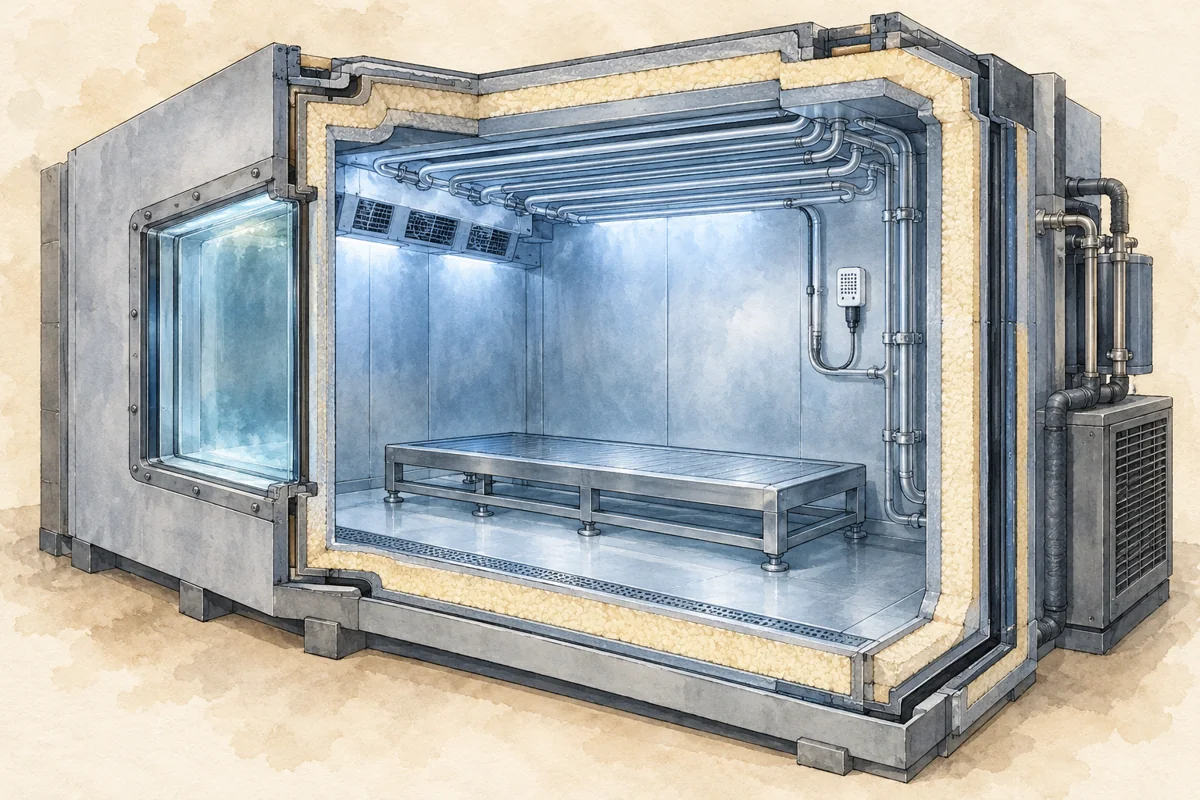
Keeping him stable today requires careful conservation. The museum reports a chamber maintained at approximately −6°C (21°F) and 99% relative humidity, with monitoring and measures to limit moisture loss. Visitors view the mummy through a small window, not an ordinary open display case. See the museum’s 35-year discovery update for its conservation description.
The lasting importance of Ötzi is not that every mystery has been solved. It is that one person’s clothing, tools, food, body, and DNA can be studied together—and that new methods still change the picture. A convincing account needs to leave room for both the evidence and the gaps.